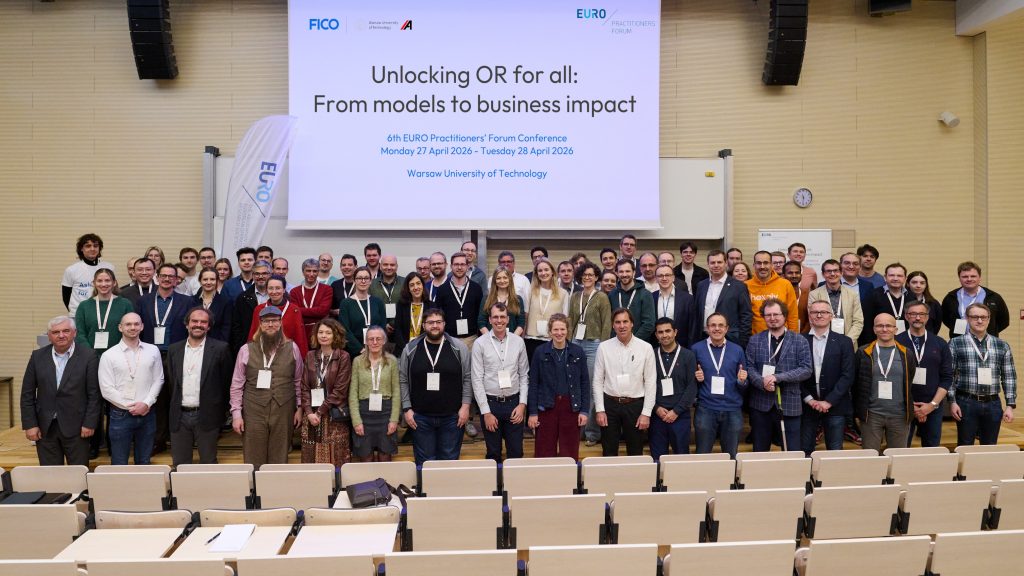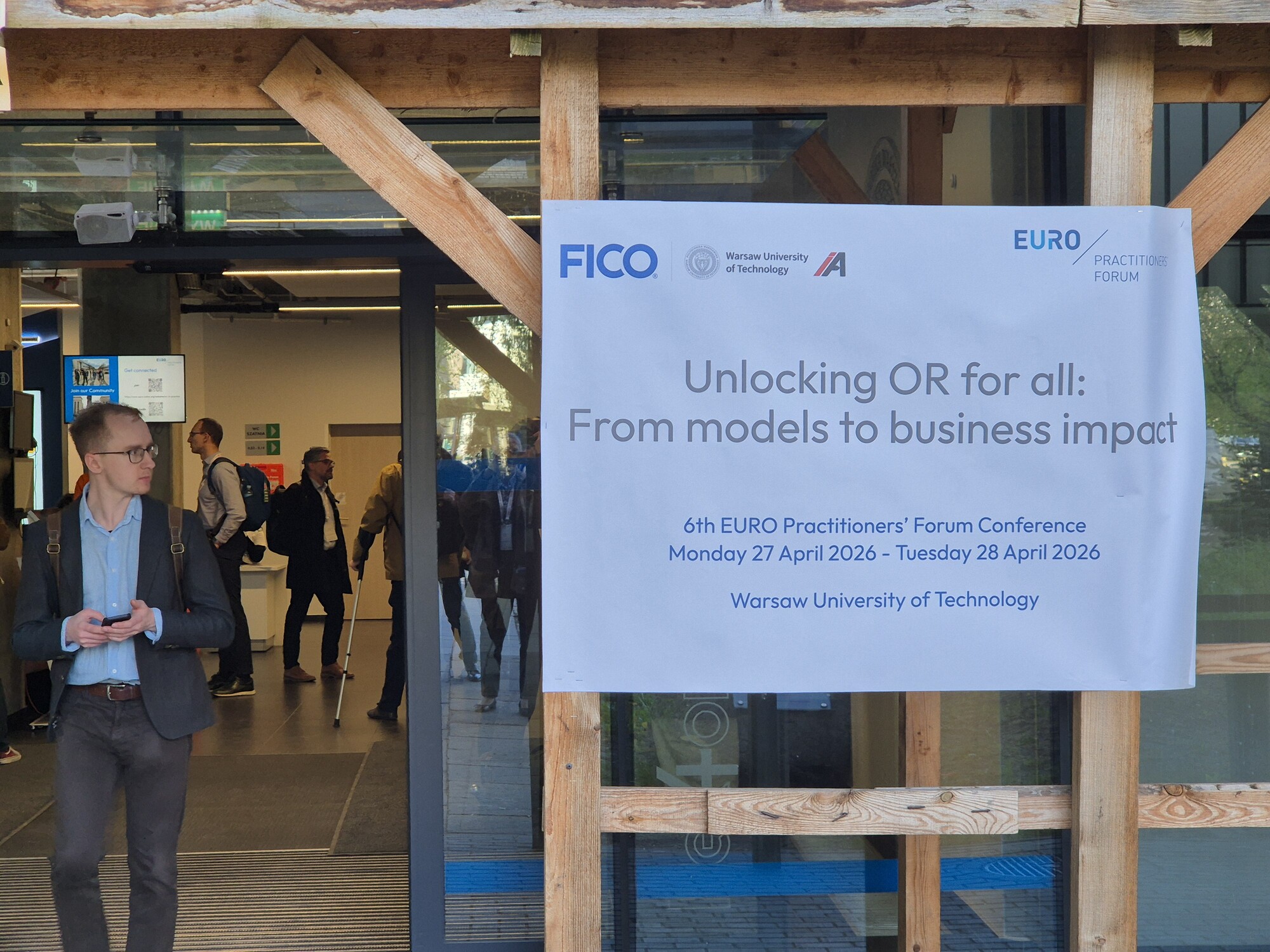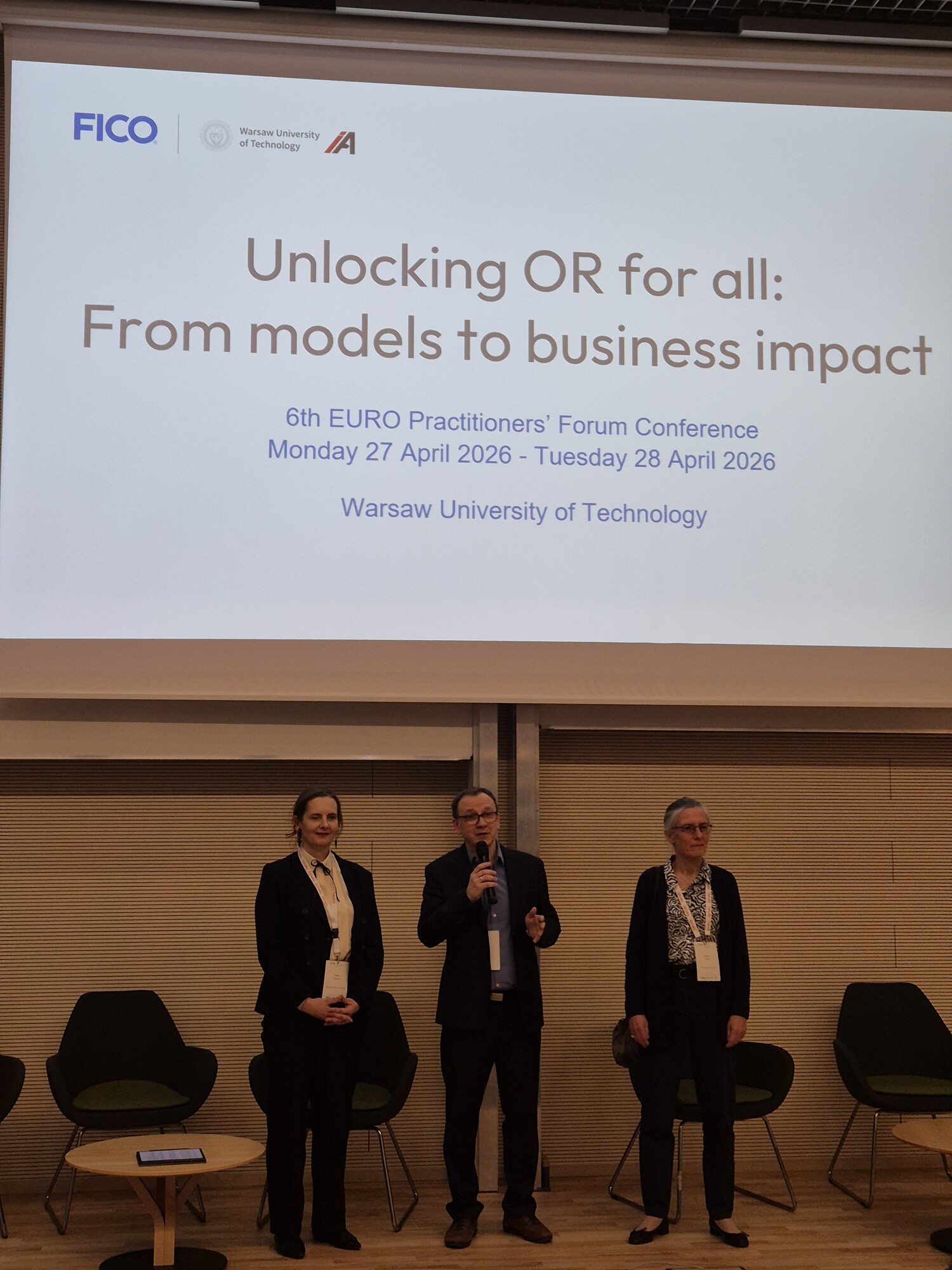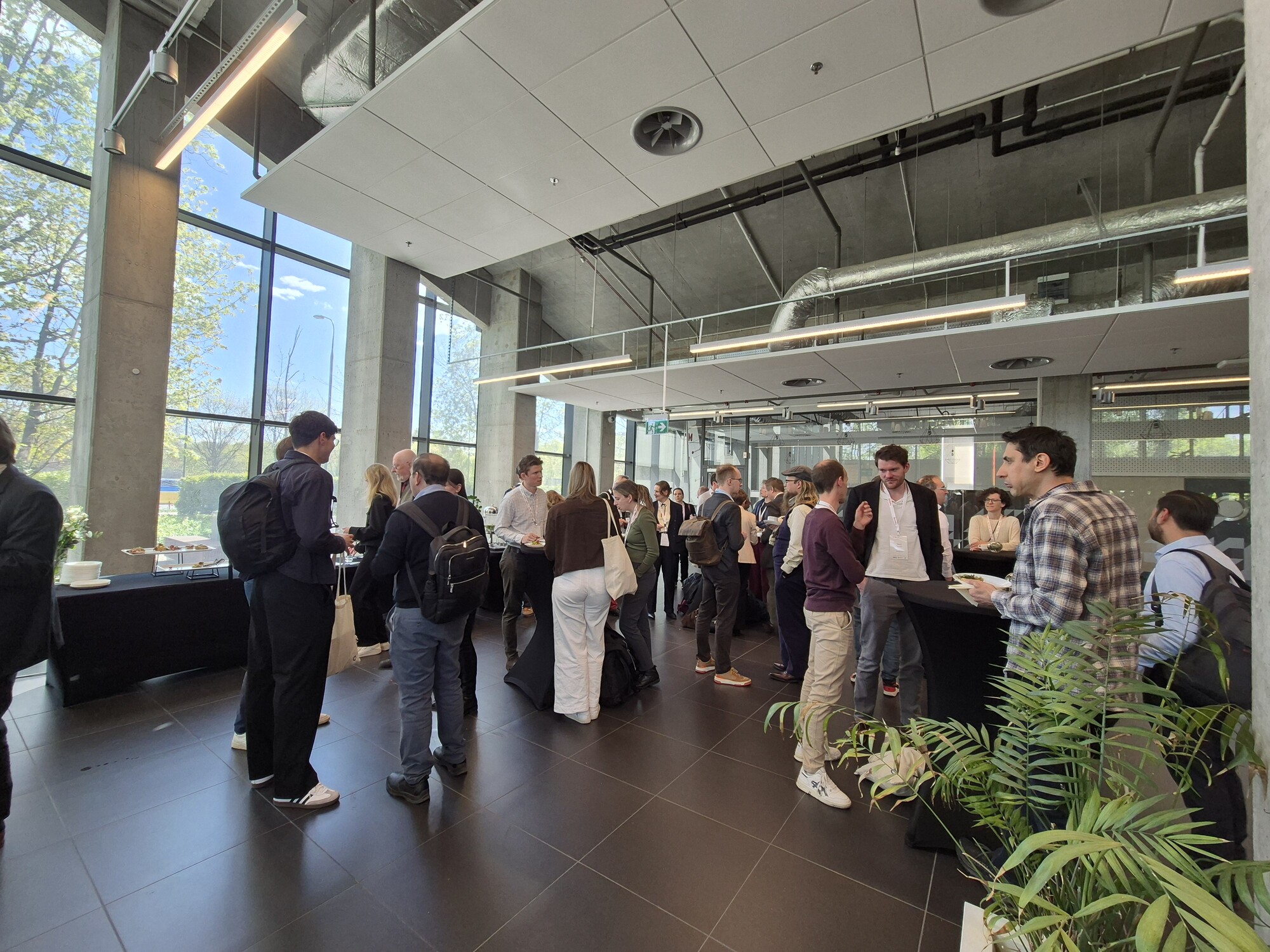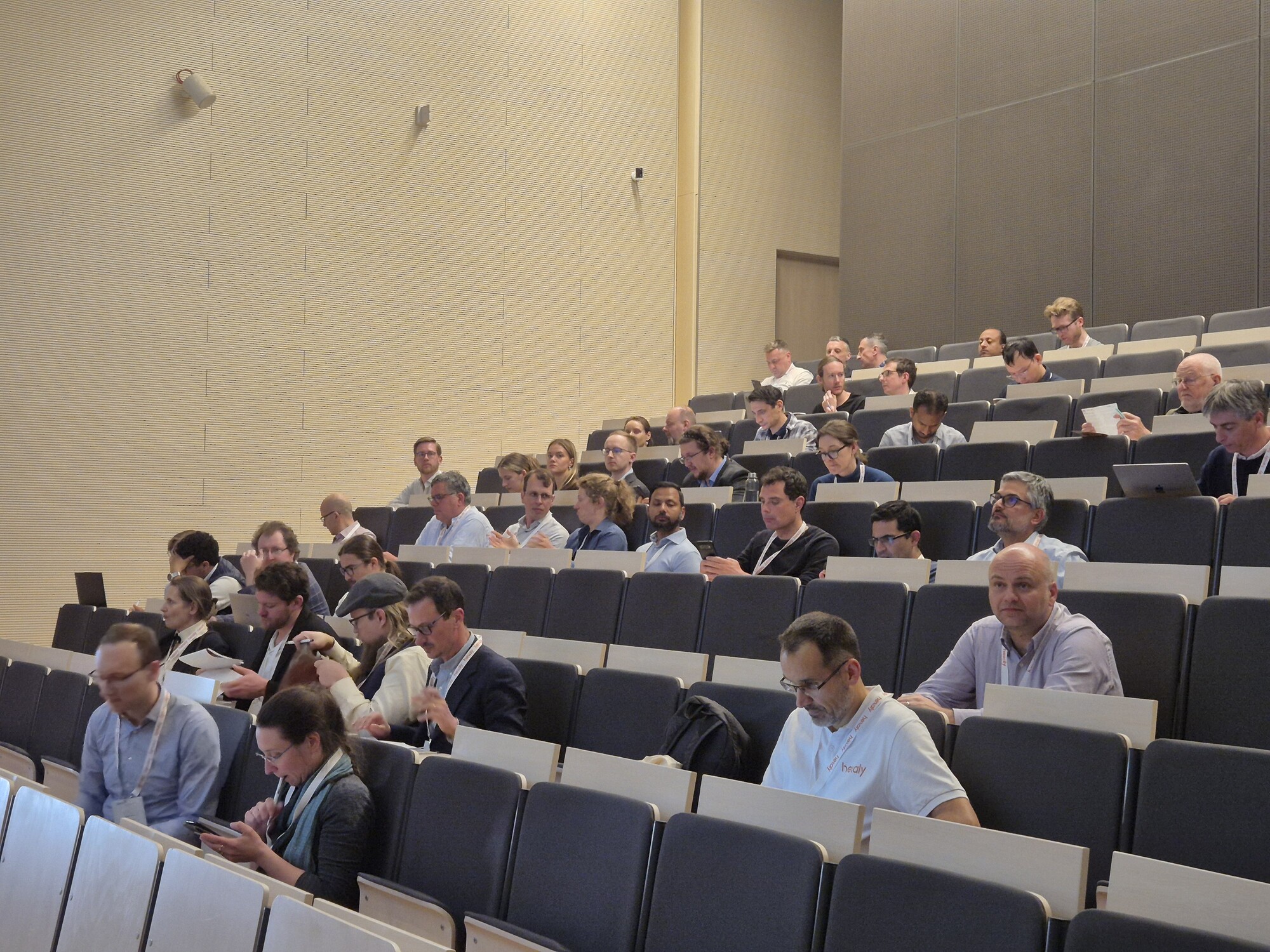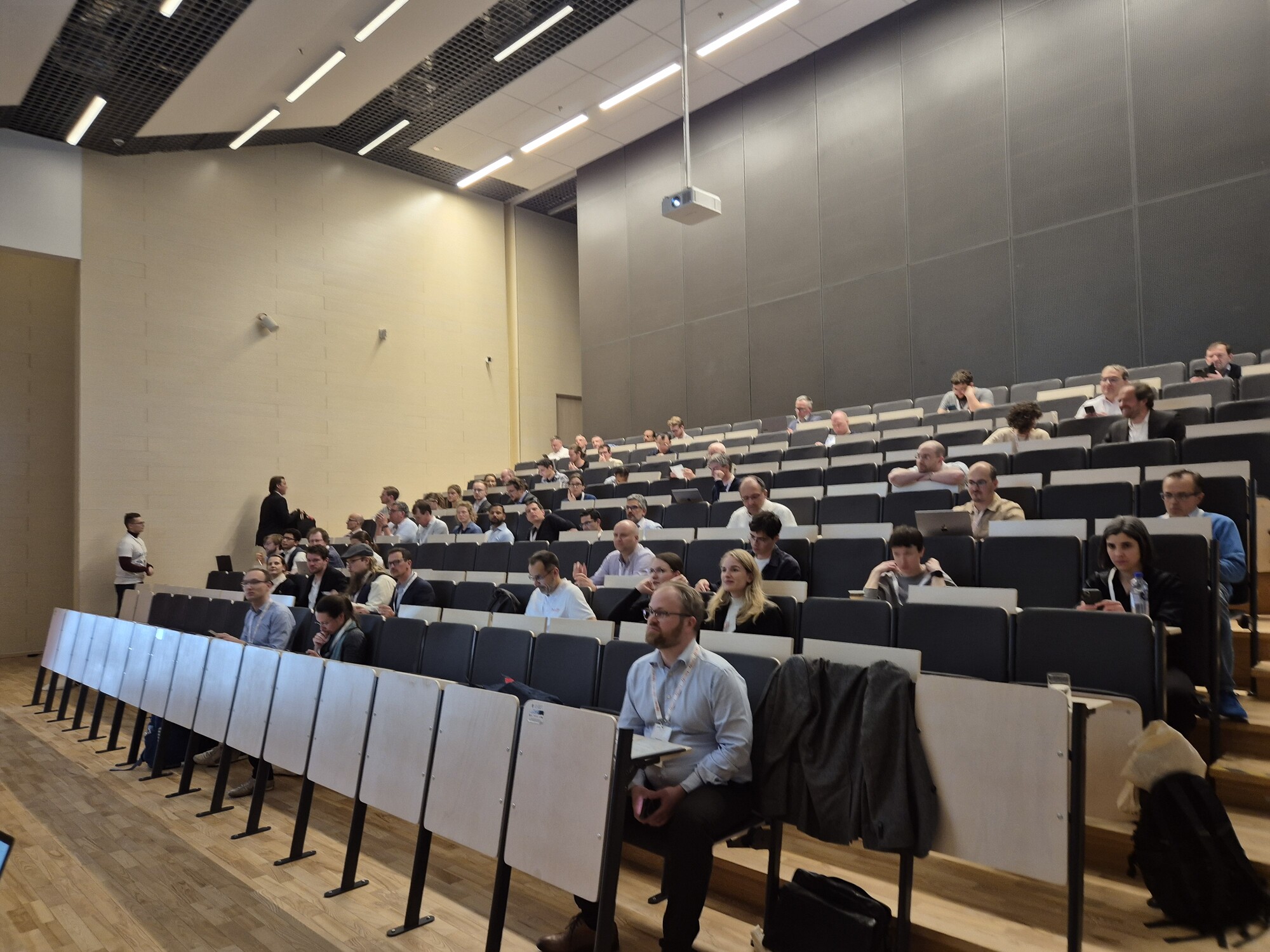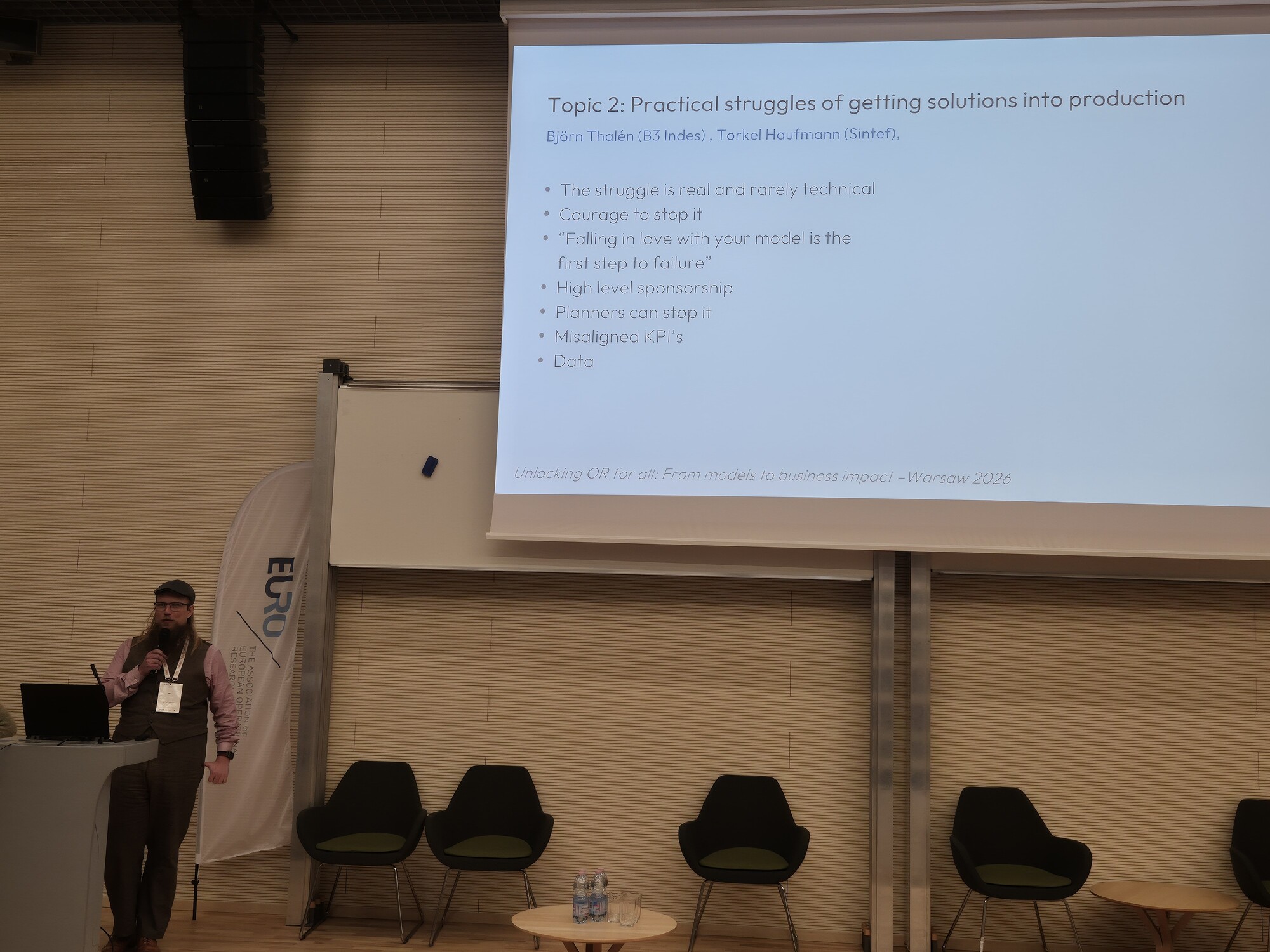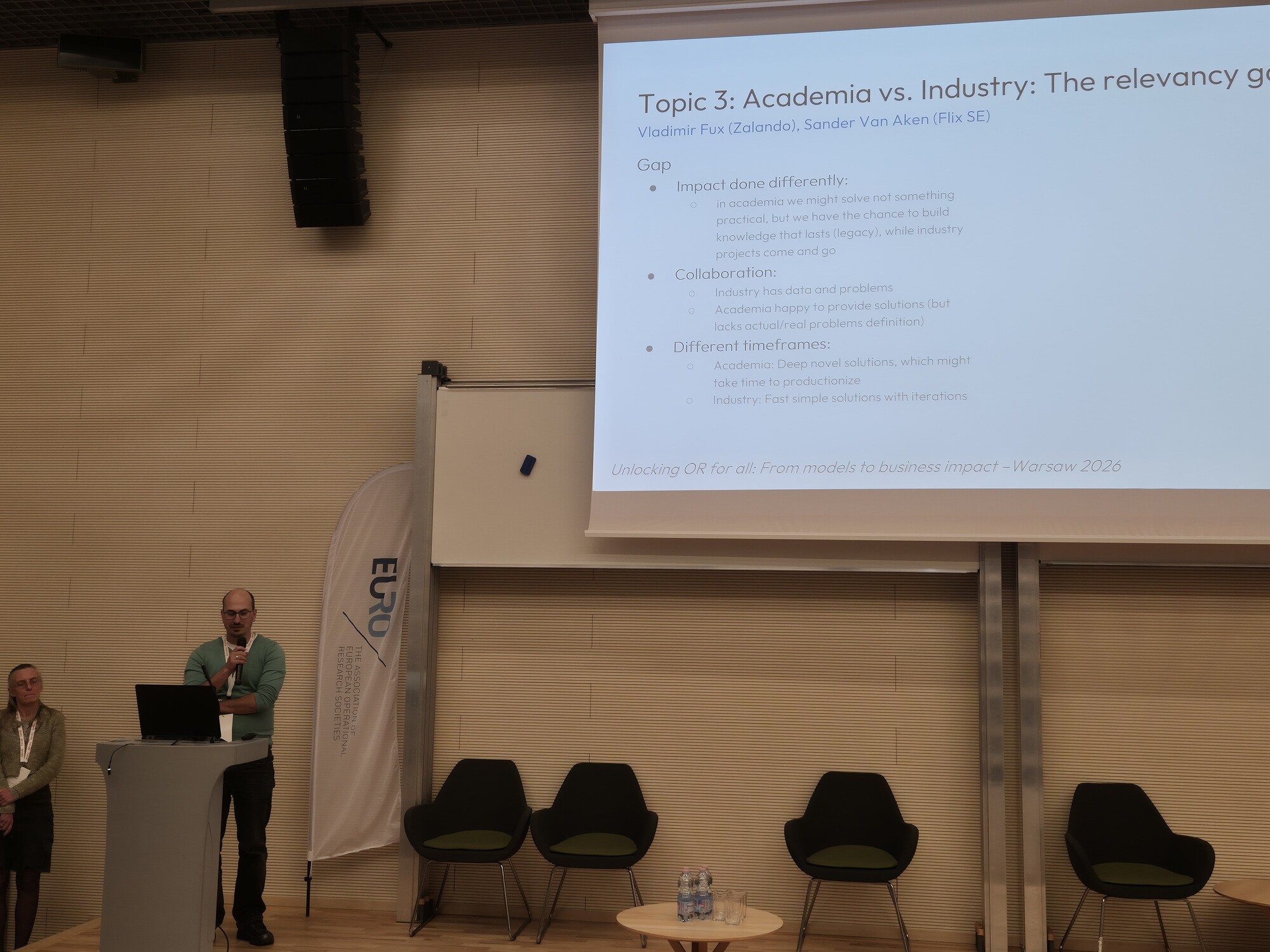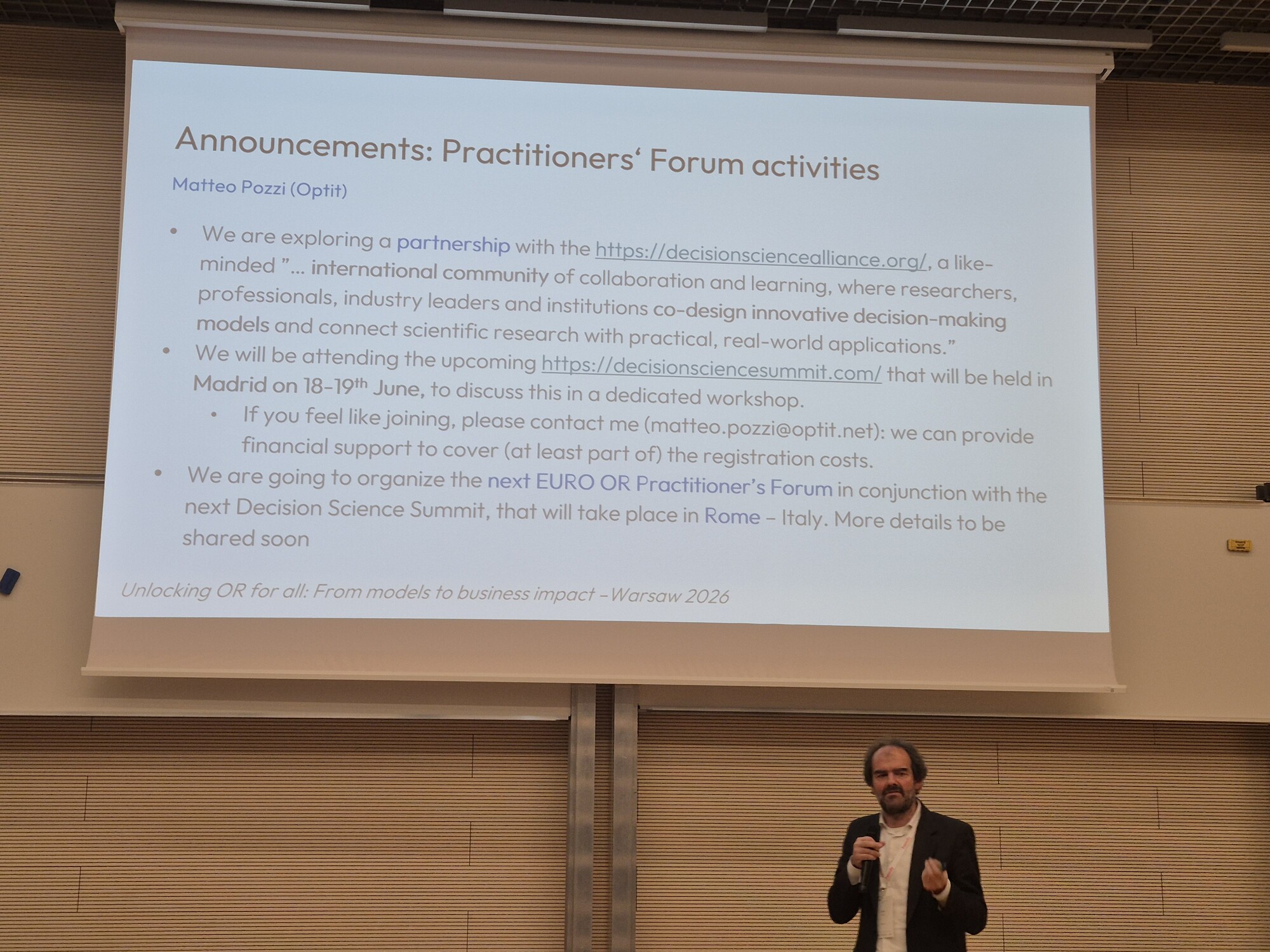


Unlocking OR for all: from Models to Business Impact
Monday 27 April – Tuesday 28 April 2026
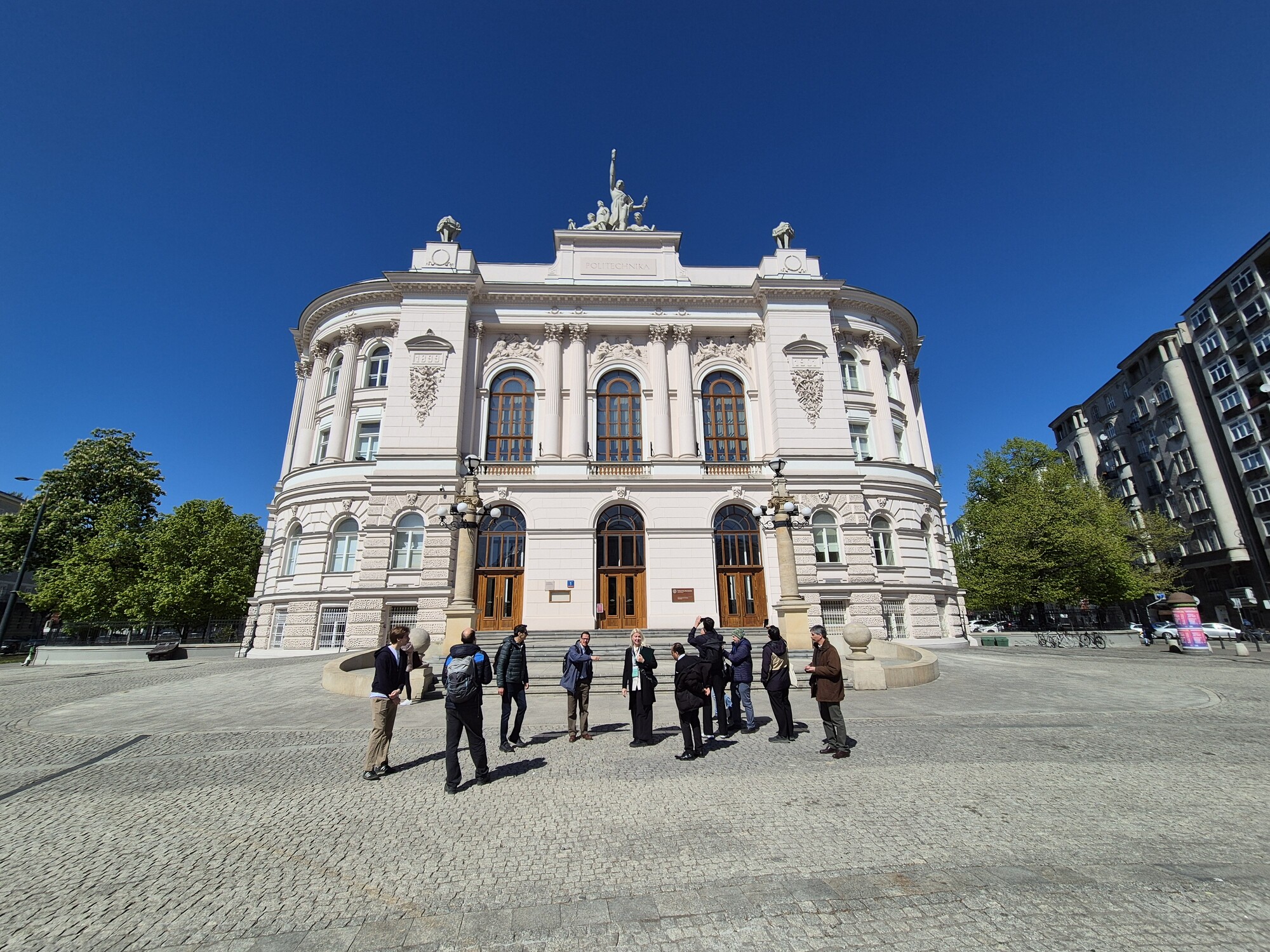
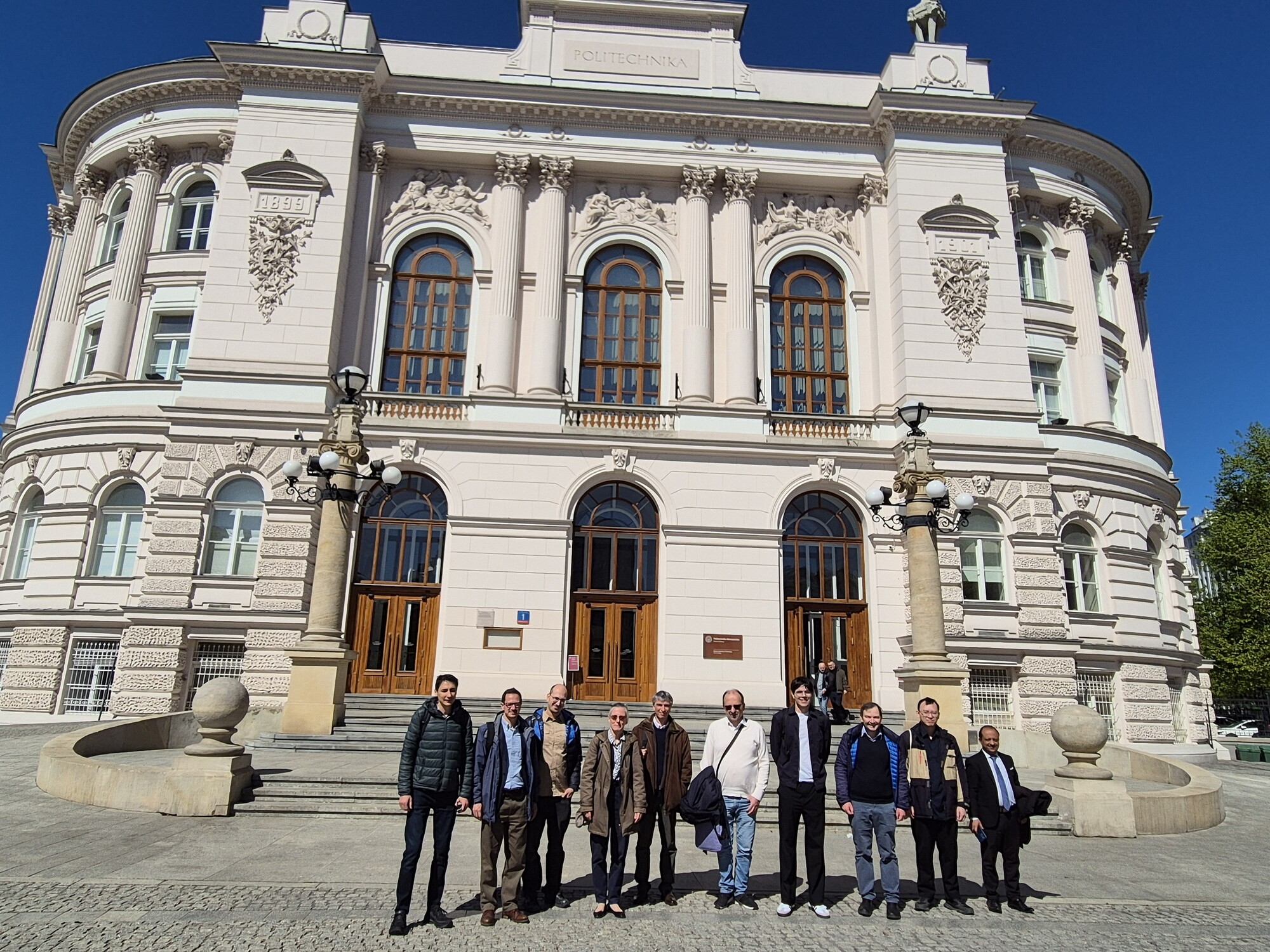
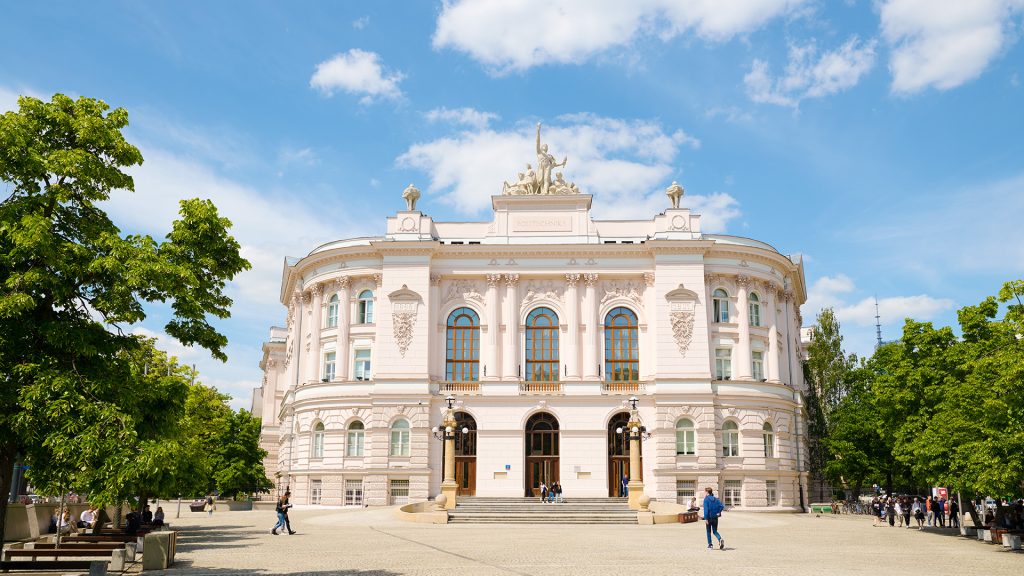
Warsaw University of Technology, Poland
Conference programme
The theme of this year’s conference is the end-to-end process of designing, developing, and deploying optimization projects. We will discuss not only models and algorithms, but how Operations Researchers can engage with end users, stakeholders and work with other specialists to deliver impact in their work. The core focus of the conference is this intersection of research, expertise and practical applications and how it affects OR projects in all stages, from conceptualization to practical use.
The conference will explore how to make OR solutions more easily accessible to a wider, non-expert audience, and discussions and presentations will help us as practitioners better understand how we can bring our solutions into use. The goal is to increase the impact and usage of OR across industries and application domains.
Important dates:
- 11 January, 2026: Submission deadline
- 31 January, 2026: Notification of acceptance
- 20 February, 2026: Final version of submissions
- 5 March, 2026: Author registration deadline
- 20 March, 2026: Early bird registration deadline (registration for the conference dinner no longer possible after this date)
Programme overview
Monday 27 April, 2026
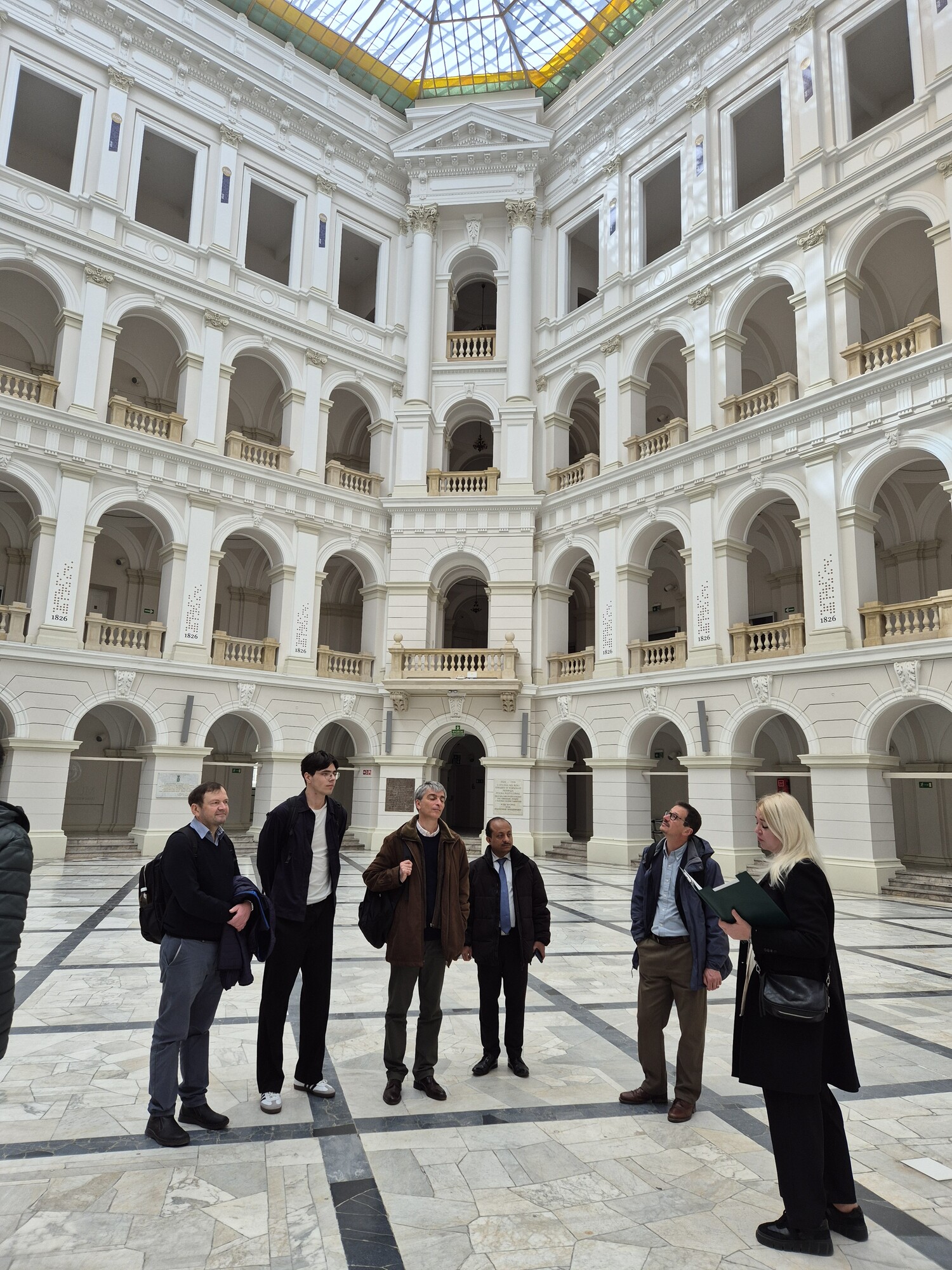
10:30 and 11:15 Guided campus walking tour (optional)
12:00 Registration
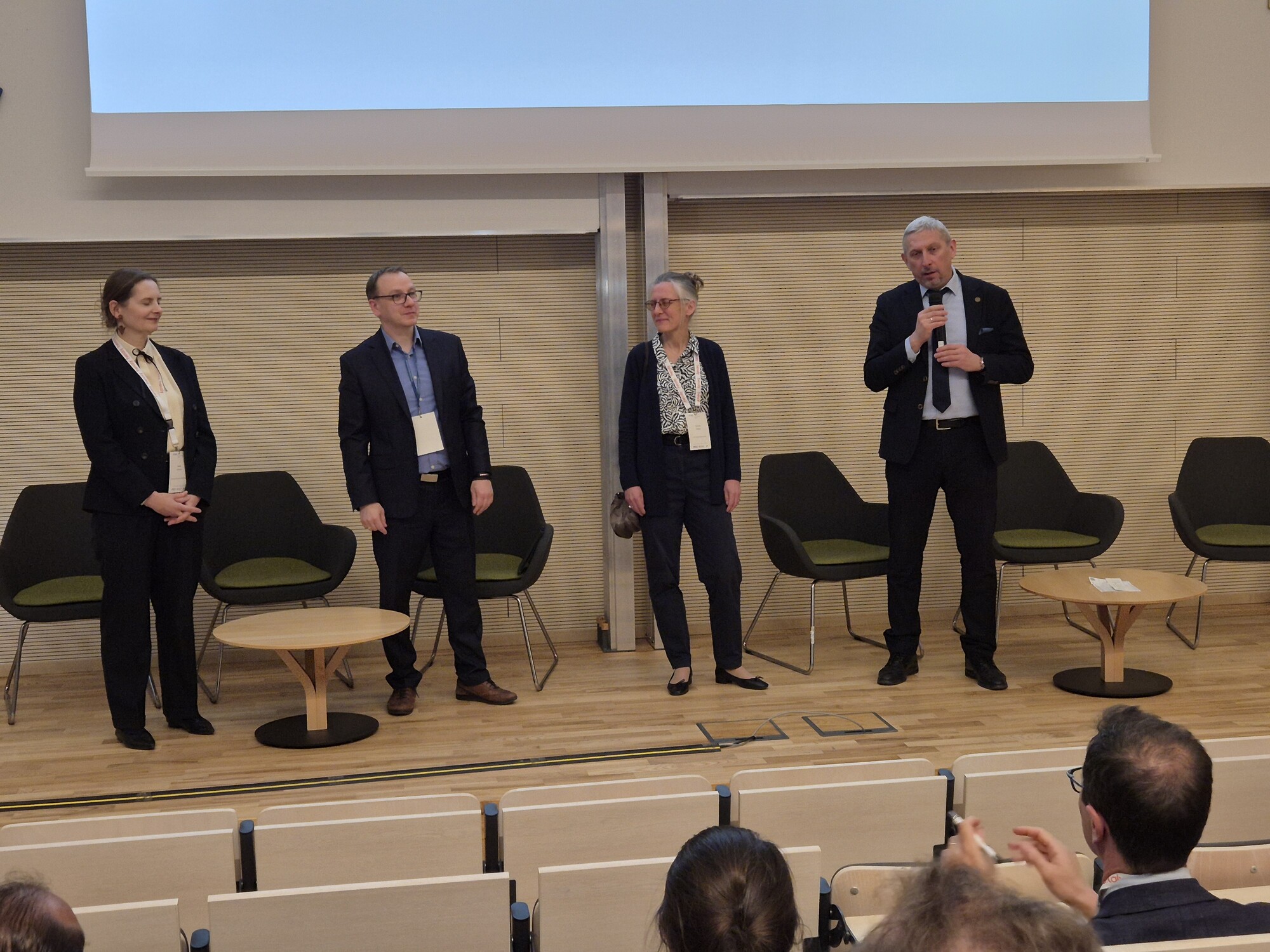
12:30 Welcome session
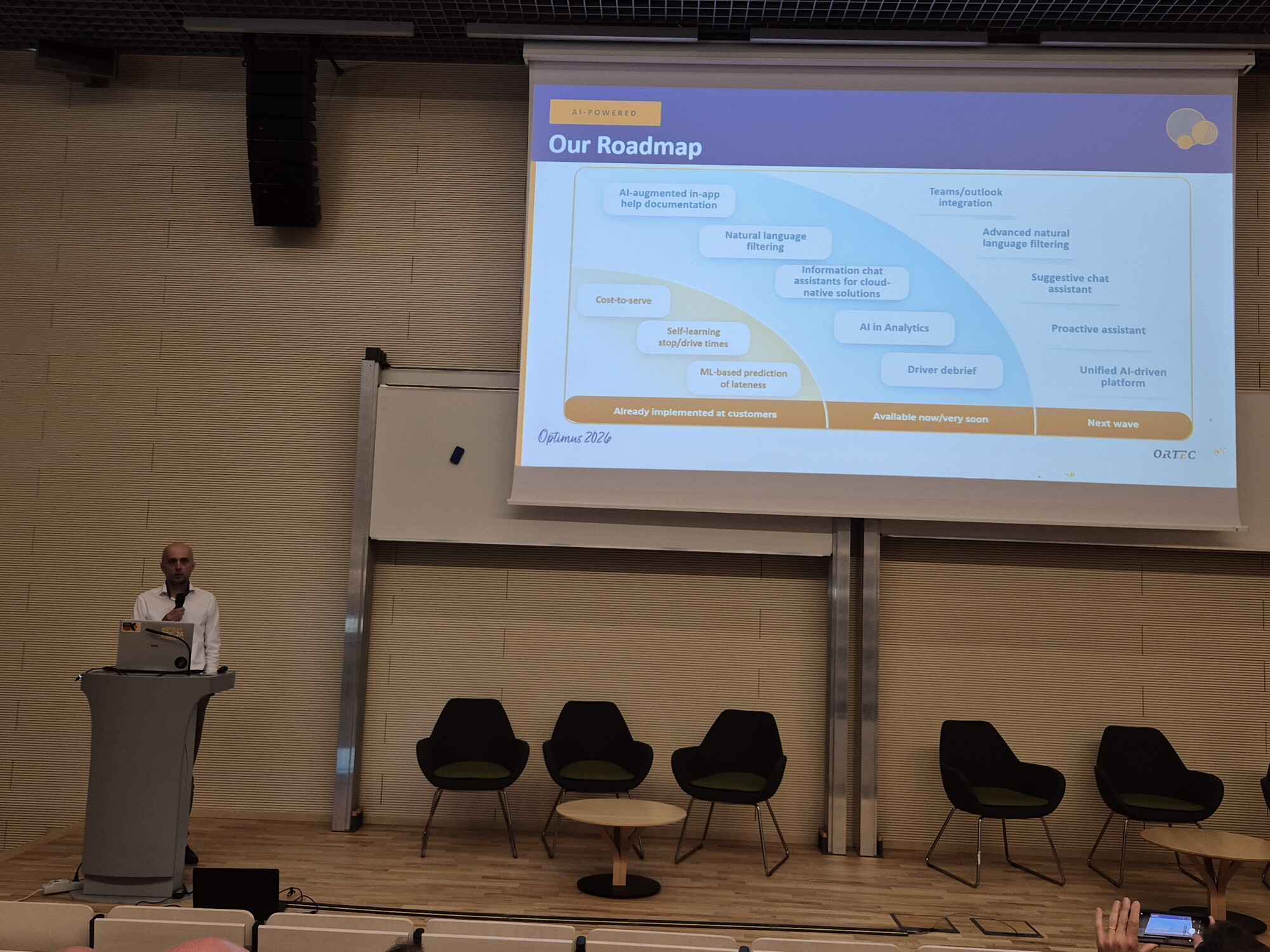
12:45 Keynote 1: S. Ciodyk (ORTEC): Practical optimization: real-world success stories
13:35 Contributed talks (C1)
- C. Bauerhenne (ZDF): Data-driven TV scheduling: Broadcasting ZDFinfo documentaries
- G. Ceyhan (Just Eat): Use of LLM-based agents in multi-objective optimization
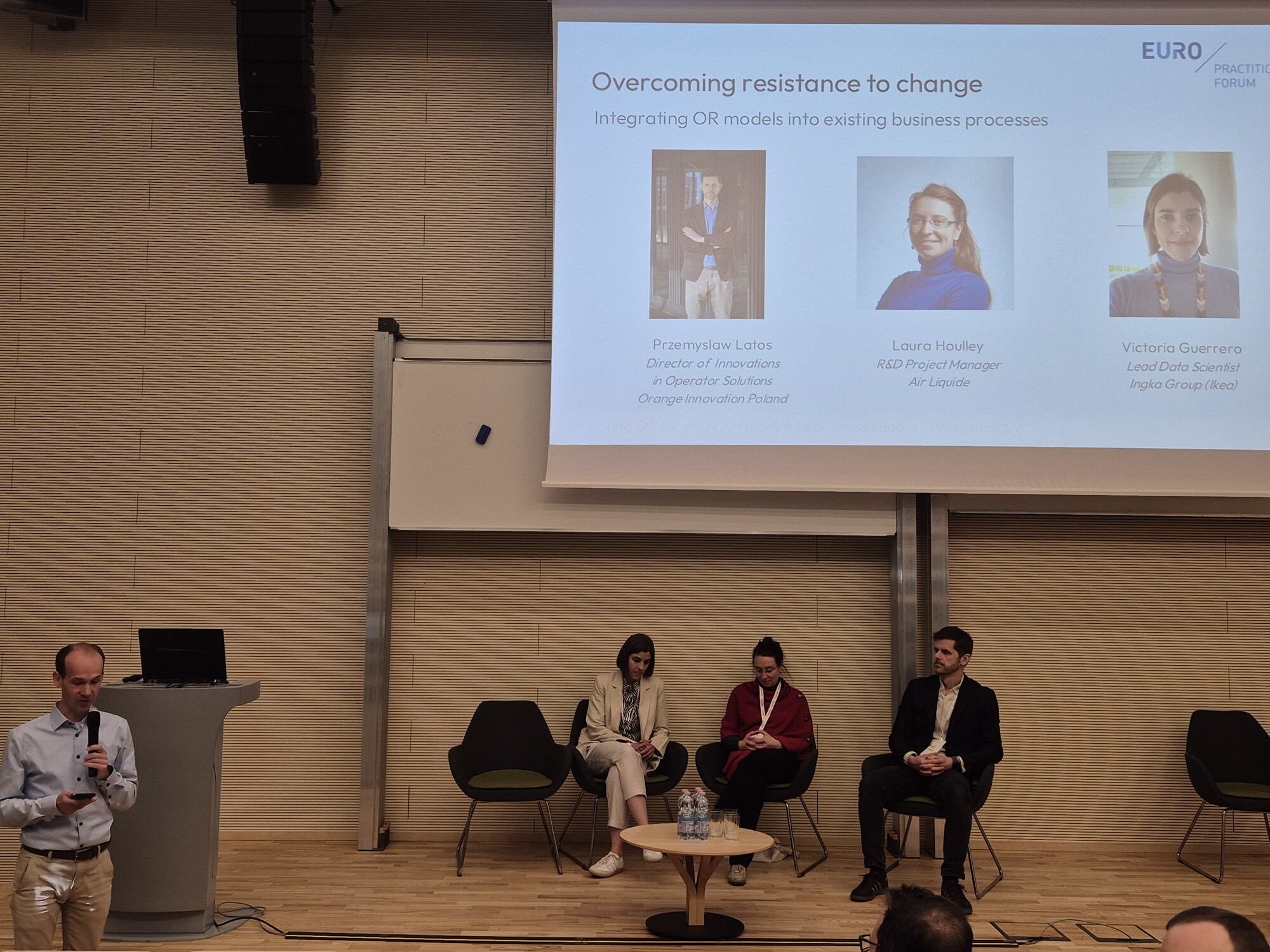
- V. Guerrero (IKEA): The human factor in OR: Strategies for building trust and effective onboarding in optimization projects
- M. Held (Swissport): Optimizing vacation planning at Swissport: Bridging technical solutions and organizational change
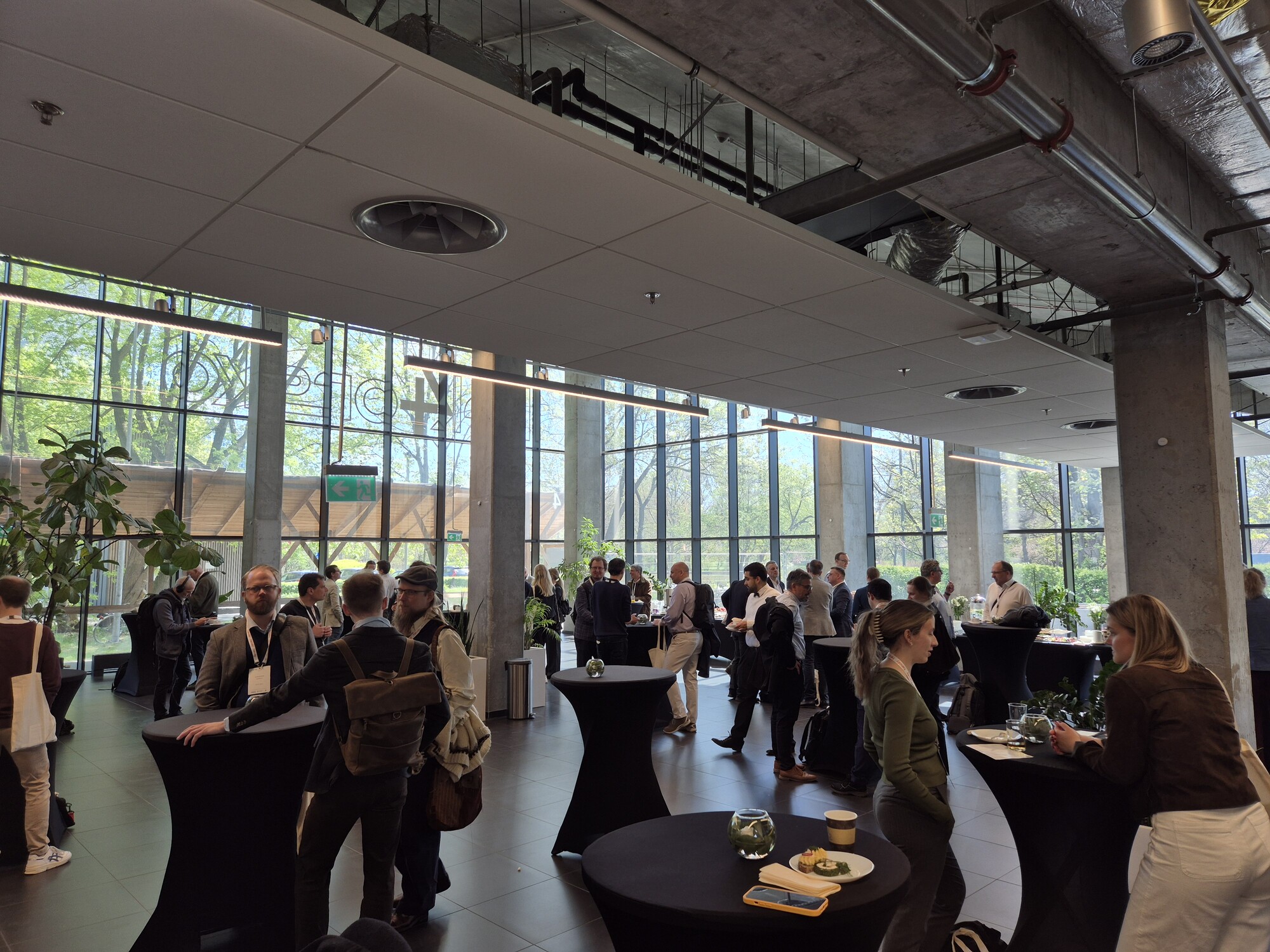
14:55 Coffee break
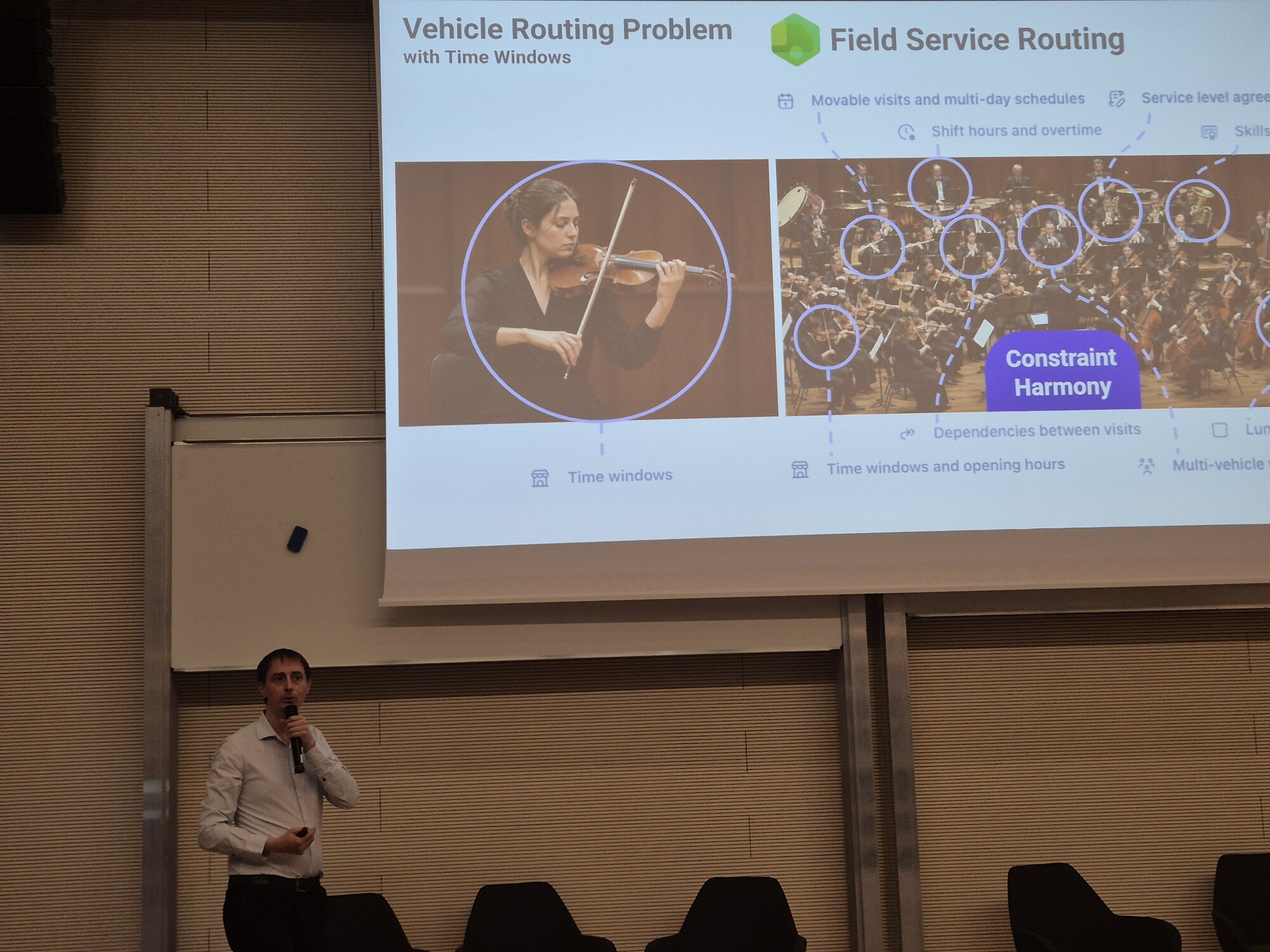
15:20 Keynote 2: G. De Smet (Timefold): How to build an open source solver and a company around it
16:10 Contributed talks (C2)
- S. Balbiyad (Kpler): Unveiling maritime market opacity: An Operations Research pipeline for product and trade reconstruction
- T. Benoist (Hexaly)/M. Quattrone (AirLiquide): Hexaly Studio: a platform for optimization prototypes and applications
- G. Kurzejamski (IDEAS Resarch Institute): Disrupting public sector IT: An agile, hardware-constrained approach to deploying local LLMs for municipal tax automation
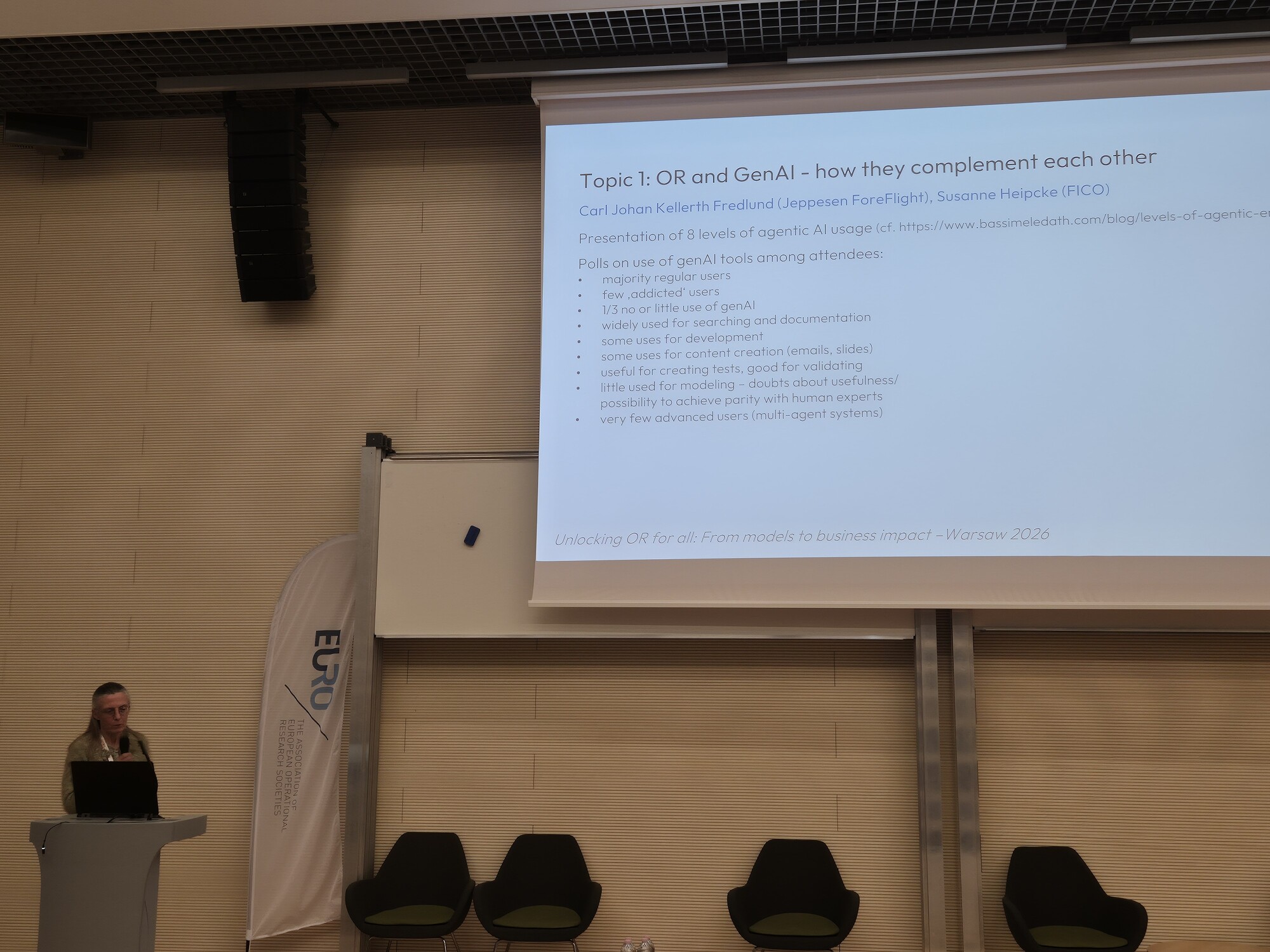
17:30 Parallel discussion groups
19:00 Close
20:00 Conference dinner (optional)
Tuesday 28 April, 2026
8:00 Registration & coffee
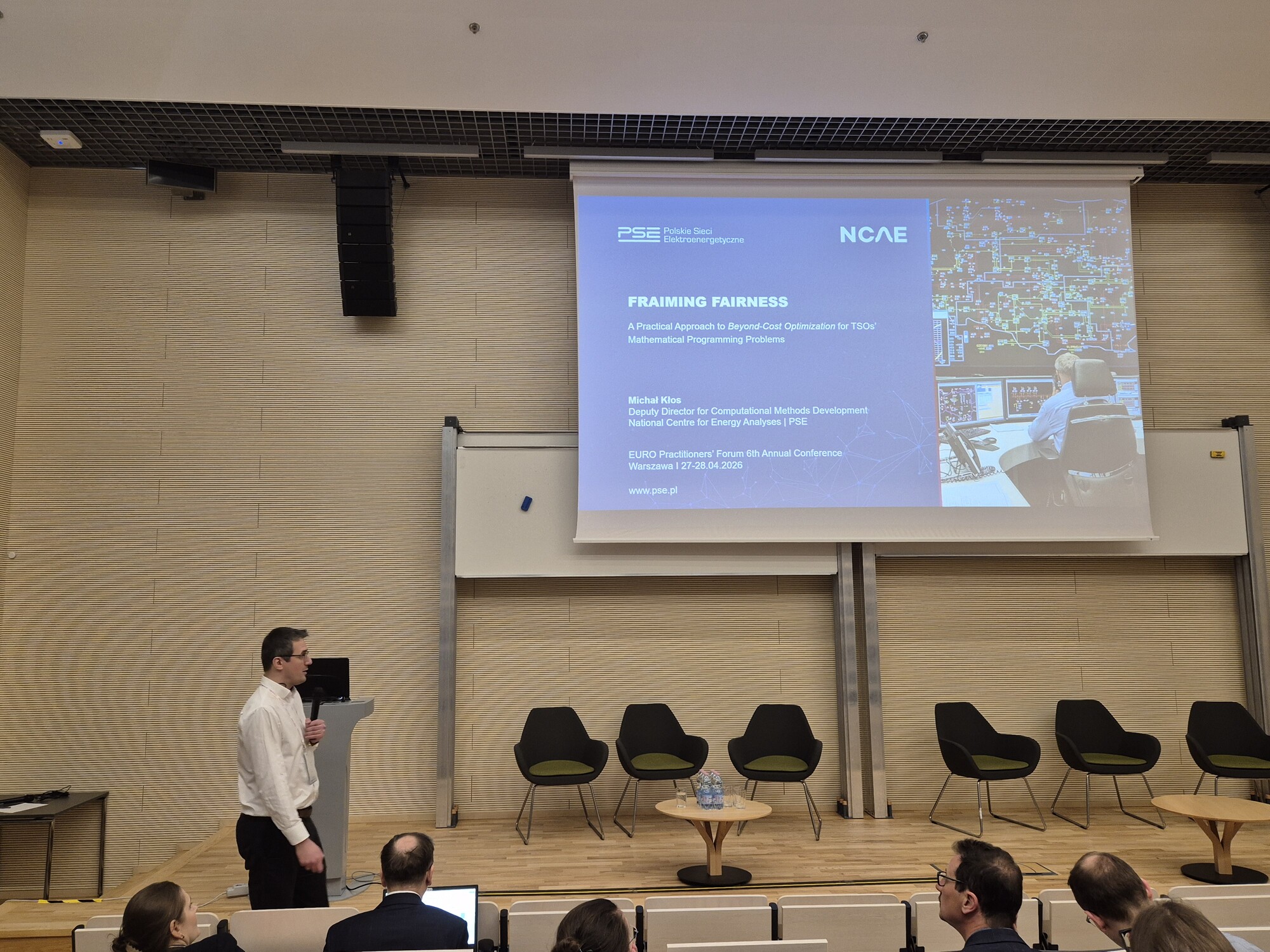
8:30 Keynote 3: M. Kłos (PSE): Framing fairness: A practical approach to beyond-cost optimization for TSOs’ mathematical programming problems
9:20 Contributed talks (C3) — short presentations
- A. Souza (Algomia): A flow-based solver for large-scale combinatorial optimization
- I. Wojdan/M. Ziółkowski (Orange): Telco AI assistant: From research to delivery – challenges and lessons learned
- S. Van Aken (Flix SE): Unlocking network-wide profitability steering – the case of automated network initialization
- C.M. Fonseca (Univ. Coimbra): Computational modelling of a carrier assignment problem under the ROAR-NET API
10:00 Panel discussion (main lecture hall) | Talent clinic (breakout rooms)
10:40 Coffee break
11:10 Keynote 4: P. Lichocki (Google): An engineering perspective on mixed integer programming in computer systems
12:00 Contributed talks (C4)
- A. Wiese (TU Munich): StudyPlanner: Helping students to plan university courses with integer linear programming
- M. Guajardo (NHH): Developing an optimization tool for farm advisory
- Ch. Bacher (Zalando): “Believe me, it is optimal”: Designing online optimisation systems for explainability & acceptance – a case study
13:00 Lunch
14:15 Keynote 5: T. Stopa (IBM): Quantum computer – from holy grail to your favourite toy
15:05 Contributed talks (C5) — short presentations
- J.K. Wolff: Building an optimisation platform for everyone
- M. Pozzi (Optit): Bridging the gap in academia-industry collaboration: Research competitions as a catalyst for open innovation
- P. Domański (Betacom): Internal transport optimization opportunities for warehouses
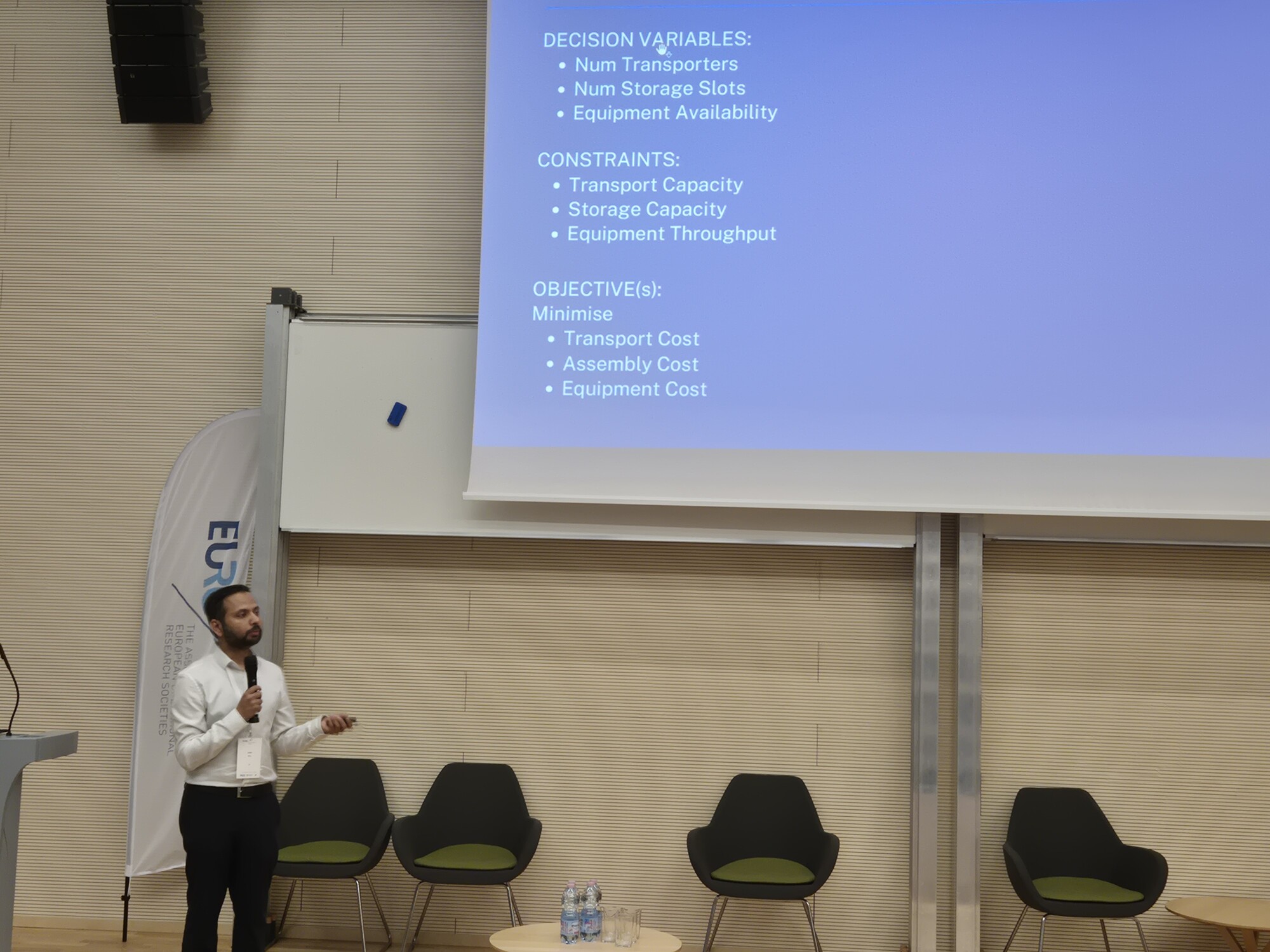
- R. Gupta/A. Mitra (Computationele Wetenschapsgroep): Digital twins for simulation & optimization of heavy equipment multipart logistics
16:00 Reports from discussion groups and closing remarks
16:30 End of event
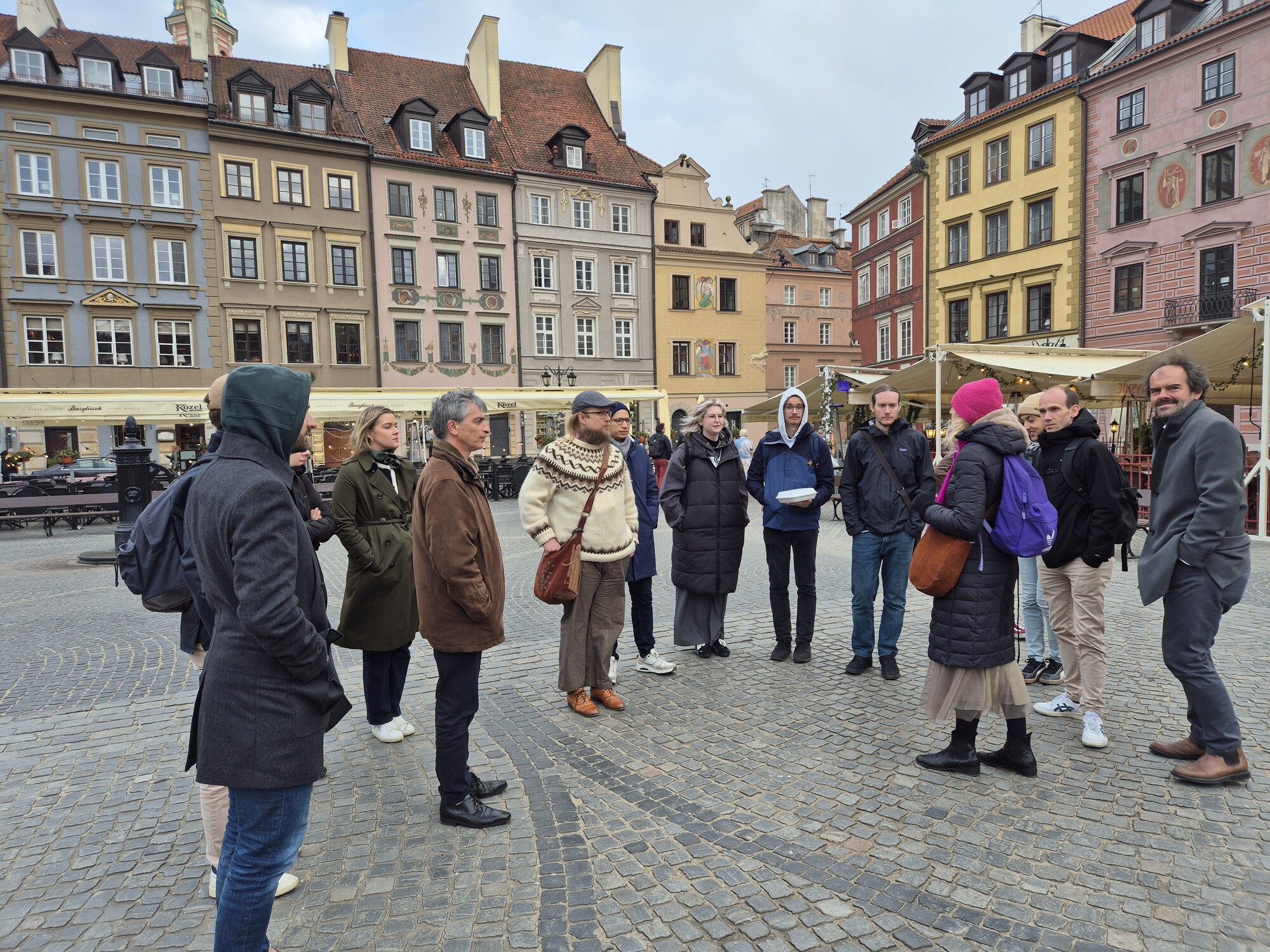
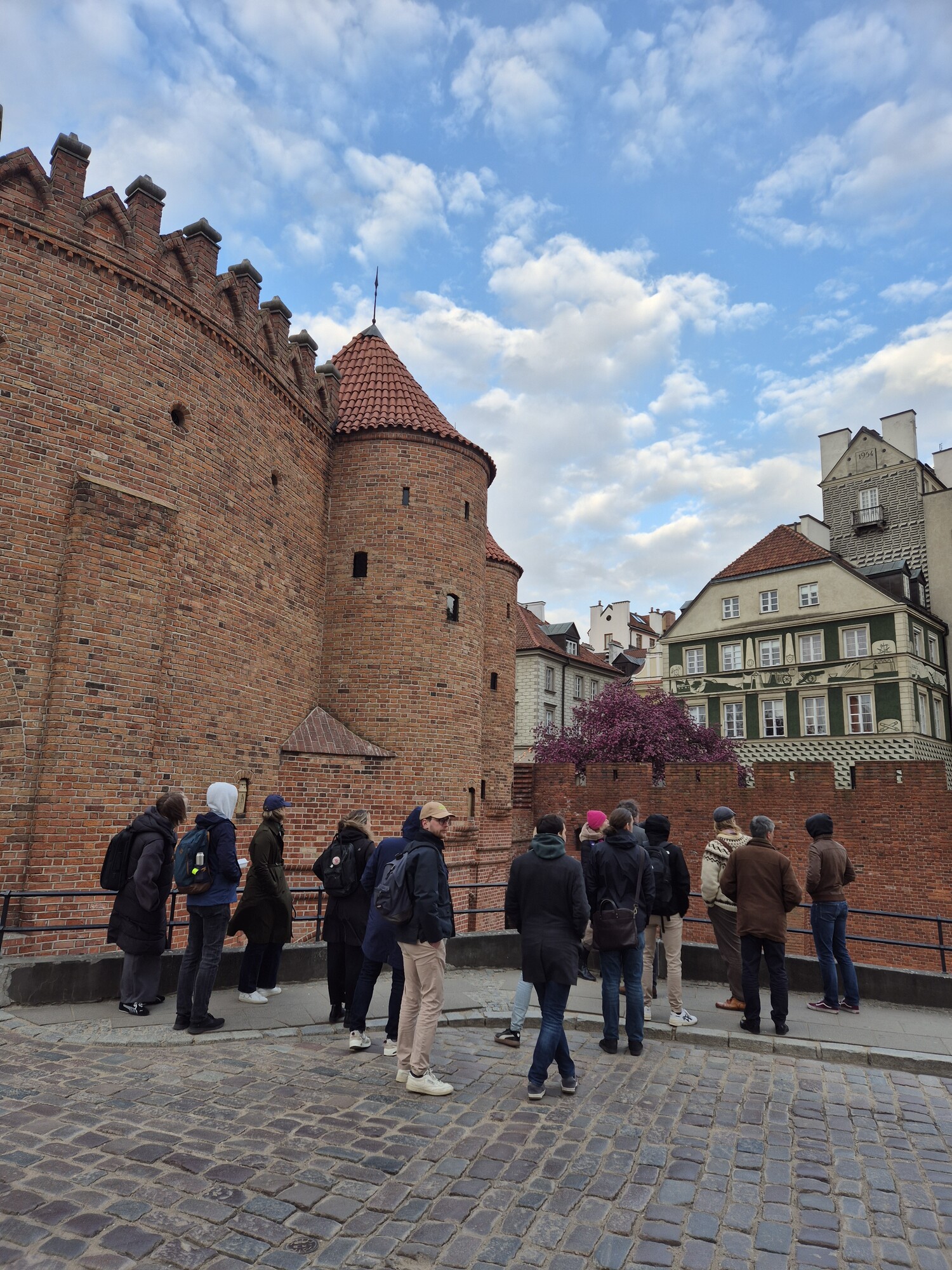
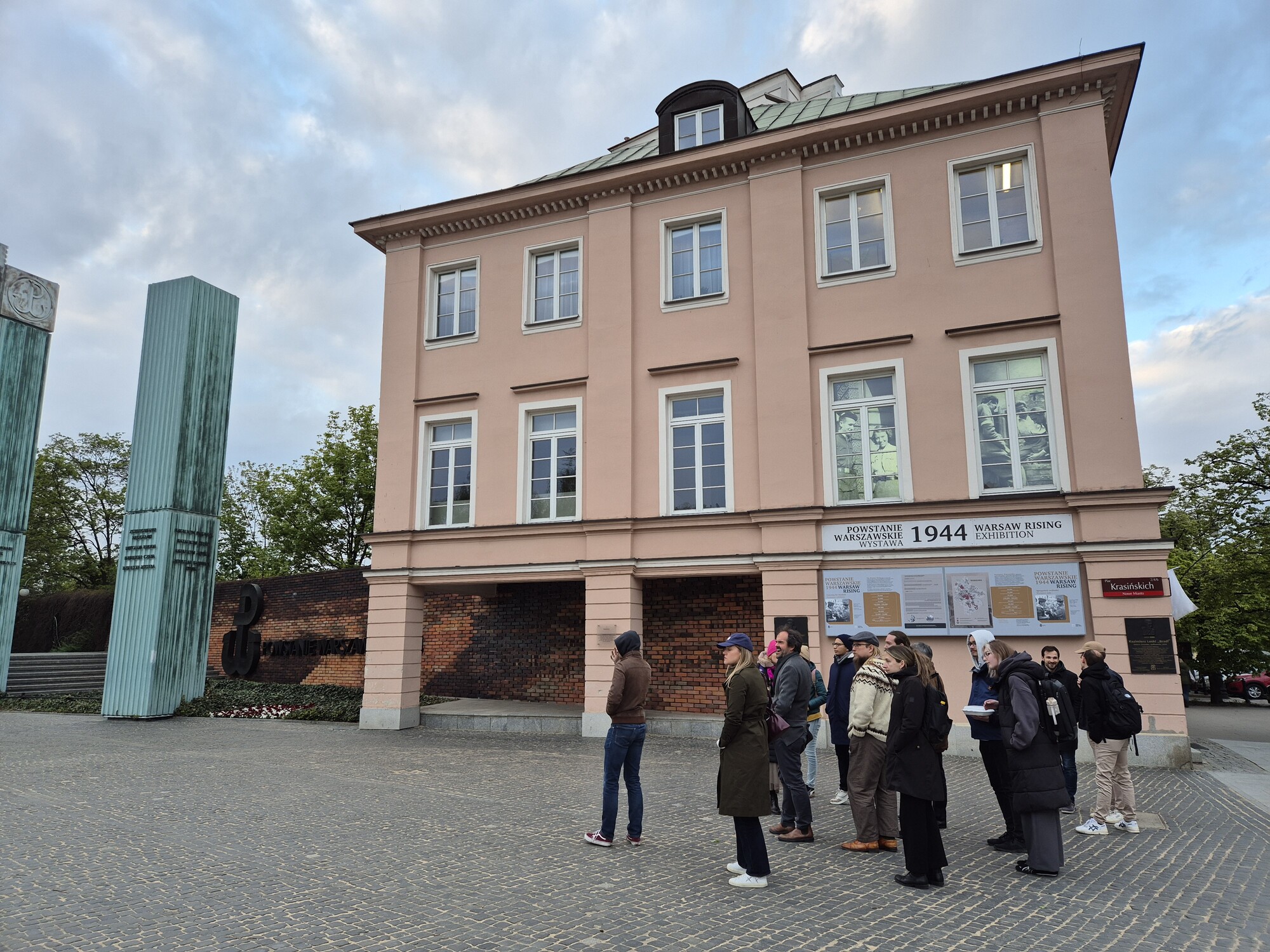
18:00 Guided tour of the old town center of Warsaw (optional)
Contact
For any inquiries, please contact the conference organisers on this address: epf2026@pw.edu.pl
Sponsors
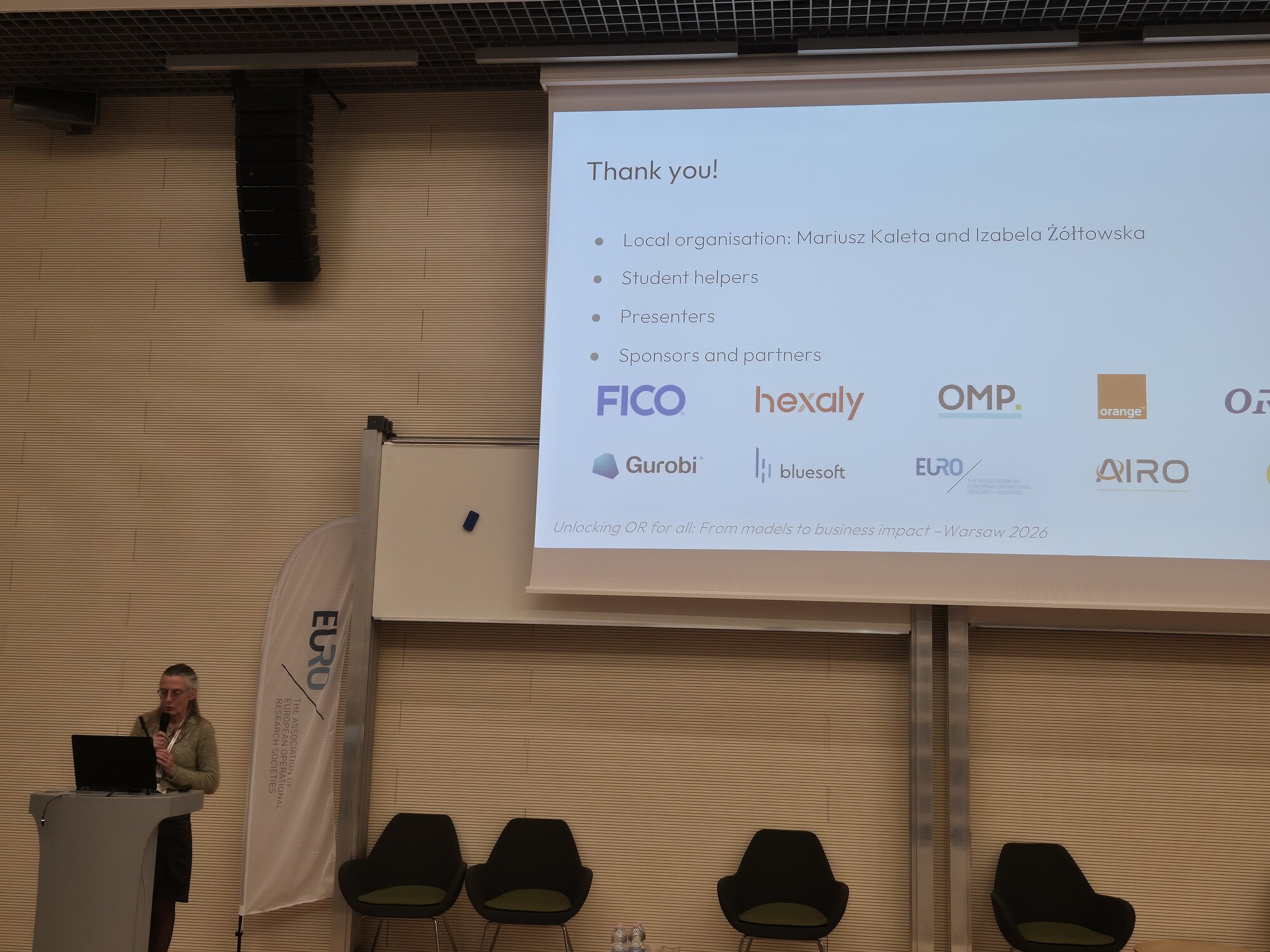
Co-organized by

Gold



Silver


Bronze

Institutional supporters


Keynote speakers
Practical Optimization: Real-World Success Stories

Sylwester Ciodyk, Ortec Poland
Abstract: In today’s fast-moving world, optimizing efficiency and effectiveness is essential for every company. Drawing on my experience designing and deploying optimization systems at ORTEC, I’ll share field-tested stories of how we connected algorithms to human goals and operational constraints. Join me as we reveal how optimization drives business transformation, with real-life examples such as smarter load building in e-commerce and improved forecasting in the energy sector, leading to significant operational savings. Expect pragmatic takeaways you can apply immediately—how to quantify impact, handle uncertainty, and bridge the gap from prototype to production—to deliver measurable savings and better service.
Biography: With 15 years in Product and Project Management, Sylwester specializes in optimizing processes and driving efficiency across Automotive, Location Intelligence, Energy, and Retail. Currently, supporting the Director of Operations for the European Energy sector, Sylwester oversees key performance indicators, assists executive leadership, and leads initiatives focused on cost-effective solutions and automation. Known for combining strategic insight with practical execution, Sylwester helps organizations achieve measurable efficiency and growth.
An engineering perspective on mixed integer programming in computer systems

Paweł Lichocki, Google
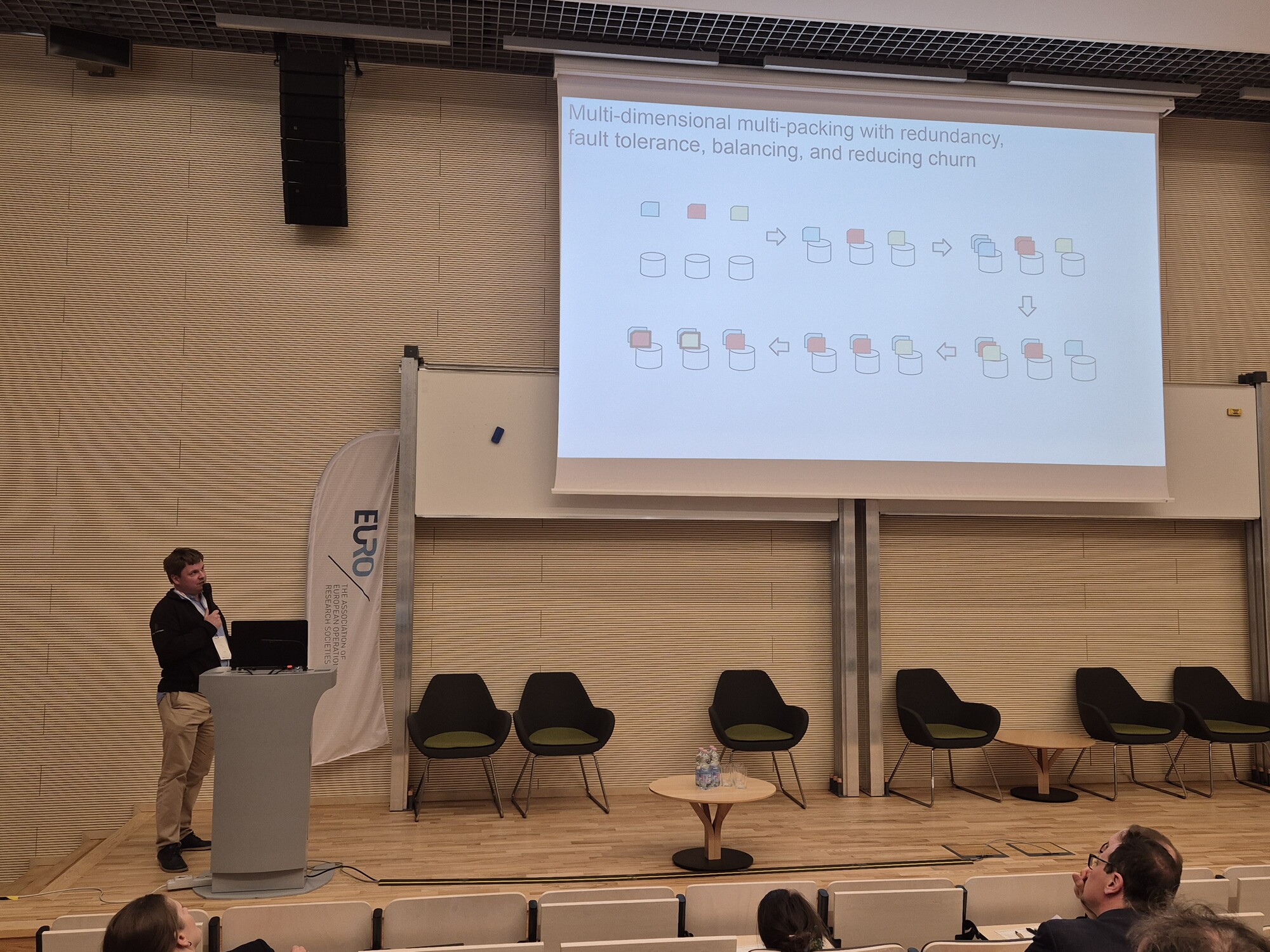
Abstract: In this talk, we present Mixed Integer Programming (MIP) from an informal, practitioner’s perspective. MIP is a powerful, declarative approach to solving combinatorial optimization problems. One expresses the problem at hand via a mathematical model, while a “black-box” solver does the number crunching and finds a solution. In practice, building a MIP-based application entails a few challenges. The optimization model must faithfully capture the reality of the problem while remaining “solvable” by the available solvers. Moreover, the optimization component must be integrated with the production system in a clear and robust way. We describe these issues in examples distilled from real-life applications of MIP to large-scale computer systems. We discuss the art of crafting efficient formulations for typical requirements observed in computer systems, like fault tolerance or churn control. We provide practical hints on how to encapsulate and verify mathematical optimization within a larger production environment. Finally, we discuss the relevant engineering challenges such as input/output validation, error resilience, and the ease of adding future extensions. Overall, we hope to shed light on the sometimes overlooked practical aspects of applying principled mathematical optimization to live and large-scale systems.
Biography: Pawel Lichocki is a software engineer at Google in the Operations Research team. For the past +10 years, he has been contributing to dozens of projects relying on combinatorial optimization. In particular, he applied Mixed Integer Programming in many real-life, large-scale systems and products. His interests include both practical and theoretical aspects of optimization, as well as evolutionary biology, meta-heuristics, and machine learning. He received a PhD from the School of Computer and Communication Sciences at EPFL in 2013 for work on the evolution of division of labor in multi-agent systems. Prior, he was a researcher in the Supercomputer and Networking Center in Pozna,ń where he worked on parallel and distributed processing algorithms. Recently, he has been exploring the possibility of using machine learning to improve MIP solvers.
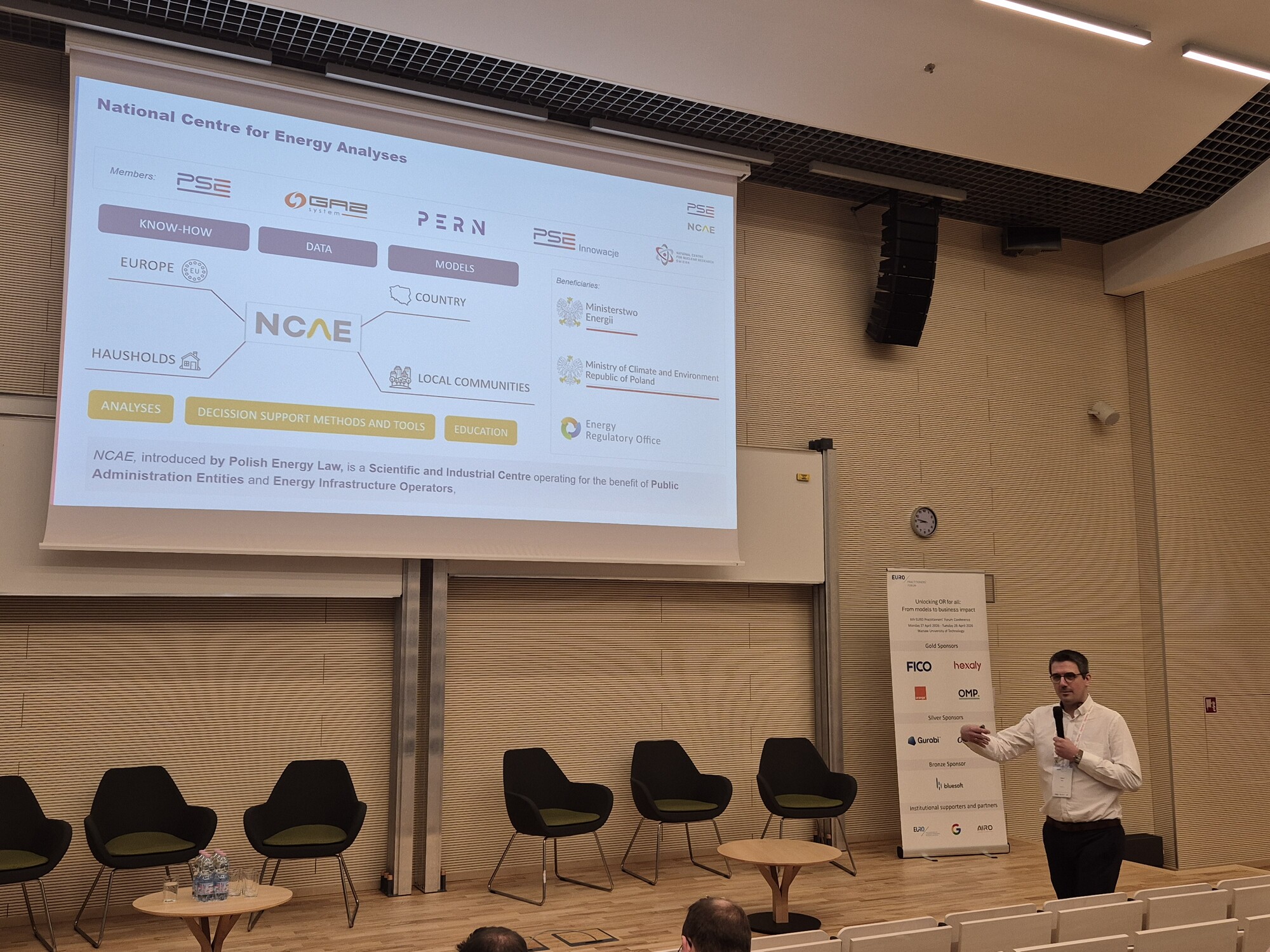
Framing Fairness: A Practical Approach to Beyond-Cost Optimization for TSOs’ Mathematical Programming Problems
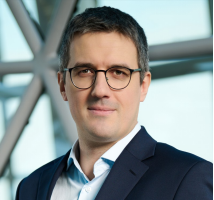
Michał Kłos, PSE S.A. (the Polish Transmission System Operator)
Abstract: While Operational Research (OR) traditionally focuses on cost optimization, real-world applications often demand more than a single dimension of the objective function. In many real complex systems, the concept of “fairness” emerges as a crucial, yet subjective, element of the objective function. This talk explores how OR can be used to model and achieve equitable outcomes, even when “fairness” lacks a universal definition and must be translated into quantifiable objectives. We argue that incorporating fairness requires a deliberate shift from purely technical optimization toward a more nuanced approach that integrates stakeholders’ perceptions to equity considerations.
We present two distinct case studies from the energy sector that illustrate this challenge: Cost Distribution of Congestion Income and Cost Sharing of Remedial Actions. Through these examples, we demonstrate that achieving a “fair” outcome is not an add-on but an integral part of the modeling process. We conclude that successful applications of mathematical programming in this domain require not only technical expertise but also a deep understanding of the human and policy factors that define what is perceived as a just and equitable solution.
Biography: Michał Kłos is the Deputy Director for Computational Methods Development at the NCAE Bureau (Polish Transmission System Operator, PSE S.A.). Specializing in mathematical modeling and optimization for energy markets and power systems, he is focused on implementing complex EU regulations which affect energy markets and system operations.
His work has resulted in the development of practical algorithms, including the clustering algorithm used in the first Bidding Zone Review, as well as emergency DSR algorithms for procurement and operational dispatch. A graduate of Computational Physics from Jagiellonian University, with 12 years of experience as a researcher and consultant for the energy sector at National Centre for Nuclear Research. Being an active contributor to the European Energy Markets conference community, Michał has authored over a dozen scientific publications.
How to build an open source solver and a company around it
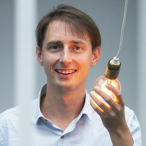
Geoffrey De Smet, Timefold
Abstract: Almost 20 years ago, I created an open source solver, now called Timefold Solver. These days, it is used across the globe to optimize vehicle routing problems, job shop scheduling, shift rostering and many other planning cases, directly or indirectly affecting the lives of millions of people.
In this keynote, I’ll cover the challenges, successes and lessons learnt. What makes our solver unique. How our engineering culture handles trade-off decisions. And why the timing is right for all of us to make Operations Research mainstream.
Biography: Geoffrey De Smet is founder/CTO of Timefold and the creator of OptaPlanner, its predecessor. He’s an expert in planning optimization, an active open source contributor and an international speaker. His technology is in use across the globe, to automate complex scheduling and routing of hundreds of thousands of employees, vehicles and machinery every day. Before founding Timefold, he worked as a Senior Principal Software Engineer at Red Hat (IBM), project lead at Schaubroeck and as an academic researcher at Kaho Sint-Lieven (KU Leuven).
Quantum computer – from holy grail to your favorite toy
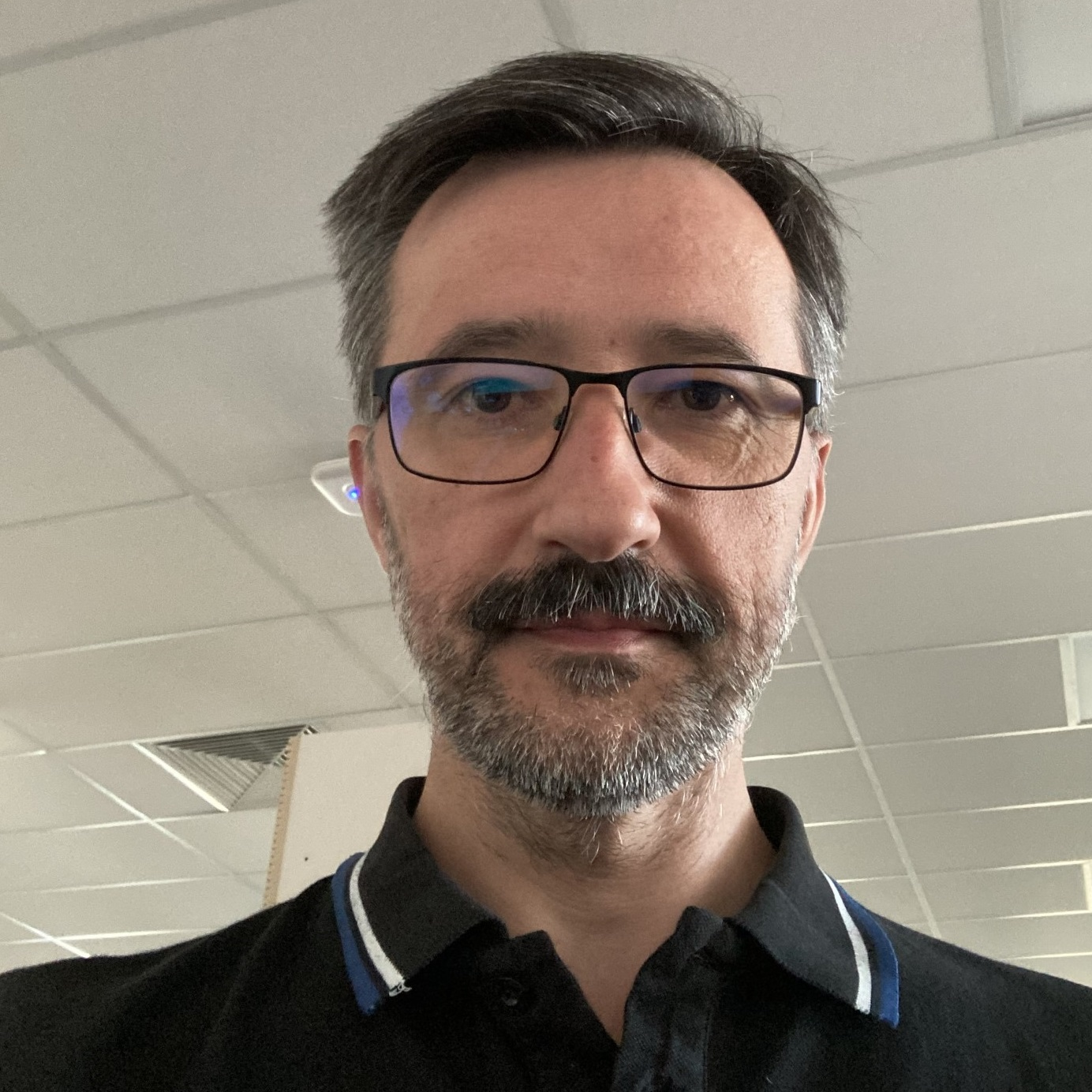
Tomasz Stopa, IBM
Abstract: For over 40 years the universal quantum computer was a holy grail for scientists. Today, we already have noisy, intermediate scale quantum computers (NISQ) to play with. These current devices are already believed to allow getting results beyond reach for classical supercomputers.
In the talk we’ll explore the current state of quantum computing technology on the example of IBM, we’ll see how to play with these toys and why they should become part of your scientific explorations. The talk will provide a review of promising OR applications of quantum computers and algorithms to start experimenting with. We’ll also explore current limitations and necessary gain of capabilities to allow for tackling really meaningful OR problems. Finally, we’ll cover when we plan to get the actual holy grail (error corrected quantum computer) and how we believe it will look like.
Biography: Tomasz Stopa works as software development manager in IBM’s Kraków Lab, Poland. He obtained his Ph.D. in theoretical solid state physics from AGH University of Science and Technology.
IBM Master Inventor with 35 patents and scientific publications. As IBM Quantum Ambassador promotes quantum computing within industry, academia and high schools. Co-organizer of Kraków Quantum Computing Seminar (KQIS) and mentor in quantum computing hackathons.
Organisation committee:
Vladimir Fux, Zalando (Germany), Michele Quattrone, AirLiquide (France), Sander van Aken, Flix SE (Germany), Torkel Haufman, Sintef (Norway), Waldemar Kocjan, Boeing (Sweden), Izabela Żółtowska, Warsaw University of Technology (Poland), Mariusz Kaleta, Warsaw University of Technology (Poland), Susanne Heipcke, FICO (France) chair
Hosted by