


To foster collaboration and communication between researchers and practitioners in the field of Decision Support Systems worldwide.
- Exchange — connect practitioners, end-users and researchers working on decision systems
- Networking — build the links that turn individual research into international projects
- Opportunity — open academic and industrial doors for our members
- Innovation — advance new models, methods and tools for decision support
- Visibility — put decision systems on the agenda at major conferences and in leading journals
We value scientific rigour, collaboration, knowledge sharing, innovation, practical impact, inclusivity, responsibility, and the promotion of young researchers as foundations of our work in EWG-DSS.
We are committed to advancing research and practice that contributes to better decision-making and meaningful solutions to complex real-world problems. We promote collaboration across disciplines, countries, institutions, and professional communities, bringing together researchers, practitioners, decision-makers, and emerging scholars to exchange knowledge, develop new ideas, and strengthen the international Decision Support Systems community.
We value innovation and continuous learning, encouraging the development and responsible application of new methods, technologies, and approaches in EWG-DSS. At the same time, we emphasize practical relevance and impact.
The EWG-DSS is committed to promoting responsibility, diversity, and equal opportunity in Operational Research. We seek to foster an environment in which participation is inclusive, different perspectives and experiences are respected, and all members of the community have equitable opportunities to contribute, collaborate, develop, and lead.
In this spirit, the EWG-DSS endorses the objectives of the EURO WISDOM Forum, particularly its commitment to inclusive participation and the empowerment of underrepresented groups. We recognize that a diverse and inclusive community strengthens scientific inquiry, enriches decision-making, encourages innovation, and contributes to the long-term development of our field.
A particular priority is the promotion and development of young researchers. We aim to create opportunities for early-career scholars to become actively involved in the EWG-DSS community, present and disseminate their research, build international networks, collaborate with experienced researchers and practitioners, and gain recognition for their contributions. Through mentoring, awards, publications, networking opportunities, and active participation in the Working Group, we seek to support young researchers in developing their academic and professional careers and in becoming future leaders of the EWG-DSS.
We also value intergenerational knowledge exchange, encouraging experienced members of the community to share expertise, experience, and professional networks with younger colleagues, while recognizing the new perspectives, methods, technologies, and ideas that emerging researchers bring to the field.
Together, these values reflect our ambition to build a collaborative, innovative, inclusive, supportive, and socially responsible international community in which researchers at all career stages can contribute and flourish, and in which EWG-DSS continue to advance knowledge, support better decisions, and generate positive impact for organizations and society.
The EWG-DSS is organized through a structured leadership and support framework consisting of the Coordinators, the Board of Assistants, and the Advisory Board. Together, these bodies contribute to the strategic direction, coordination of activities, operational support, continuity, and long-term development of the Working Group.
To contact the EWG-DSS Coordinators, please write to us at coordination@ewg-dss.com
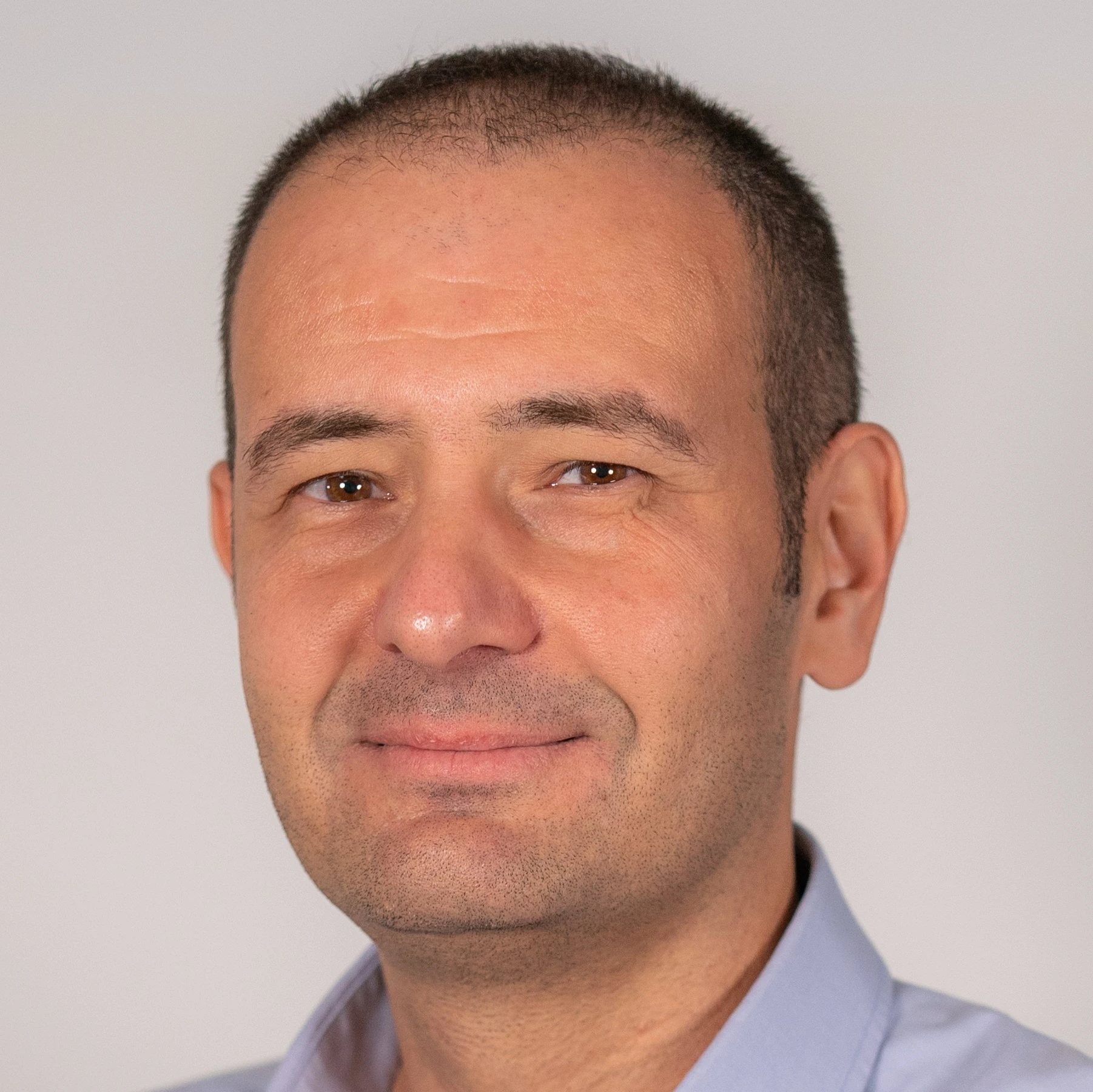
Chair: Boris Delibašić
University of Belgrade, Serbia

Vice-Chair: Ana Paula Cabral Seixas Costa
Universidade Federal de Pernambuco – UFPE, Brazil

Jason Papathanasiou
University of Macedonia, Greece

Pavlos Delias
Democritus University of Thrace, Greece

Sandro Radovanović
University of Belgrade, Serbia
Sérgio Pedro Duarte
University of Porto, Portugal

Uchitha Jayawickrama
Loughborough University, United Kingdom
To contact the EWG-DSS Coordinators, please write to us at communication@ewg-dss.com

Guoste Pivoraite
University of Plymouth, United Kingdom

Oluwafemi Oyemomi
University of Essex, United Kingdom
María Teresa Escobar
Universidad de Zaragoza, Spain

Maisa Mendonça Silva
Federal University of Pernambuco, Brazil
Michail Ouzounis
University of Macedonia, Greece
Chair: Prof. Marko Bohanec
Jožef Stefan Institute, Slovenia
Ph.D. Fátima Dargam
SimTech Simulation Technology, Austria
Prof. Pascale Zaraté
Toulouse University – IRIT – TMBI, France
Prof. Shaofeng Liu
University of Plymouth, United Kingdom
Prof. José Maria Moreno
University of Zaragoza, Spain
Prof. Alexis Tsoukias
CNRS-LAMSADE, France
Dr. Jorge Hernández
University of Liverpool, United Kingdom
Prof. Philip Powell
Birkbeck, University of London, United Kingdom
Prof. D. Marc Kilgour
Wilfrid Laurier University, Canada
Prof. Jorge Freire de Sousa
University of Porto, Portugal
Prof. Adiel Teixeira de Almeida
Federal University of Pernambuco, Brazil
Prof. Zoran Obradović
Temple University, USA